Cameroon, Equatorial Guinea & Central African Republic
/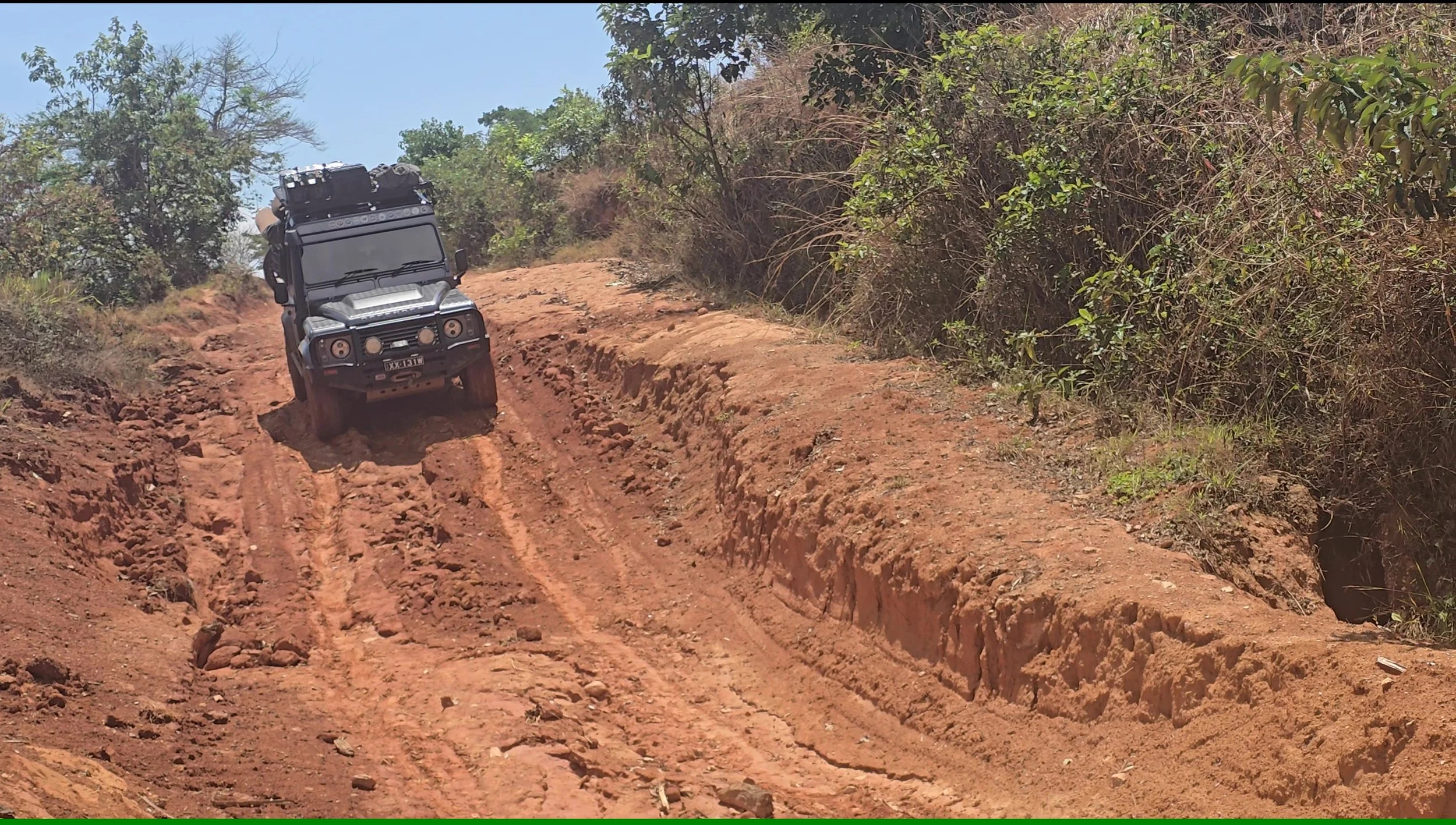
banyO track nigeria to cameroon
The mountain crossing from Nigeria into Cameroon has something of a reputation in overlanding circles. Stories circulate of vehicles swallowed by mud, of endless winching in torrential rain, and of travelers emerging days later with shattered nerves and marriages hanging by a thread.
At 145 km it is not especially long. It simply concentrates a remarkable variety of unpleasant road conditions into one sustained experience: deeply rutted tracks, steep clay inclines, river crossings and surfaces that, at the first hint of rain, transform into something between grease and a practical joke.
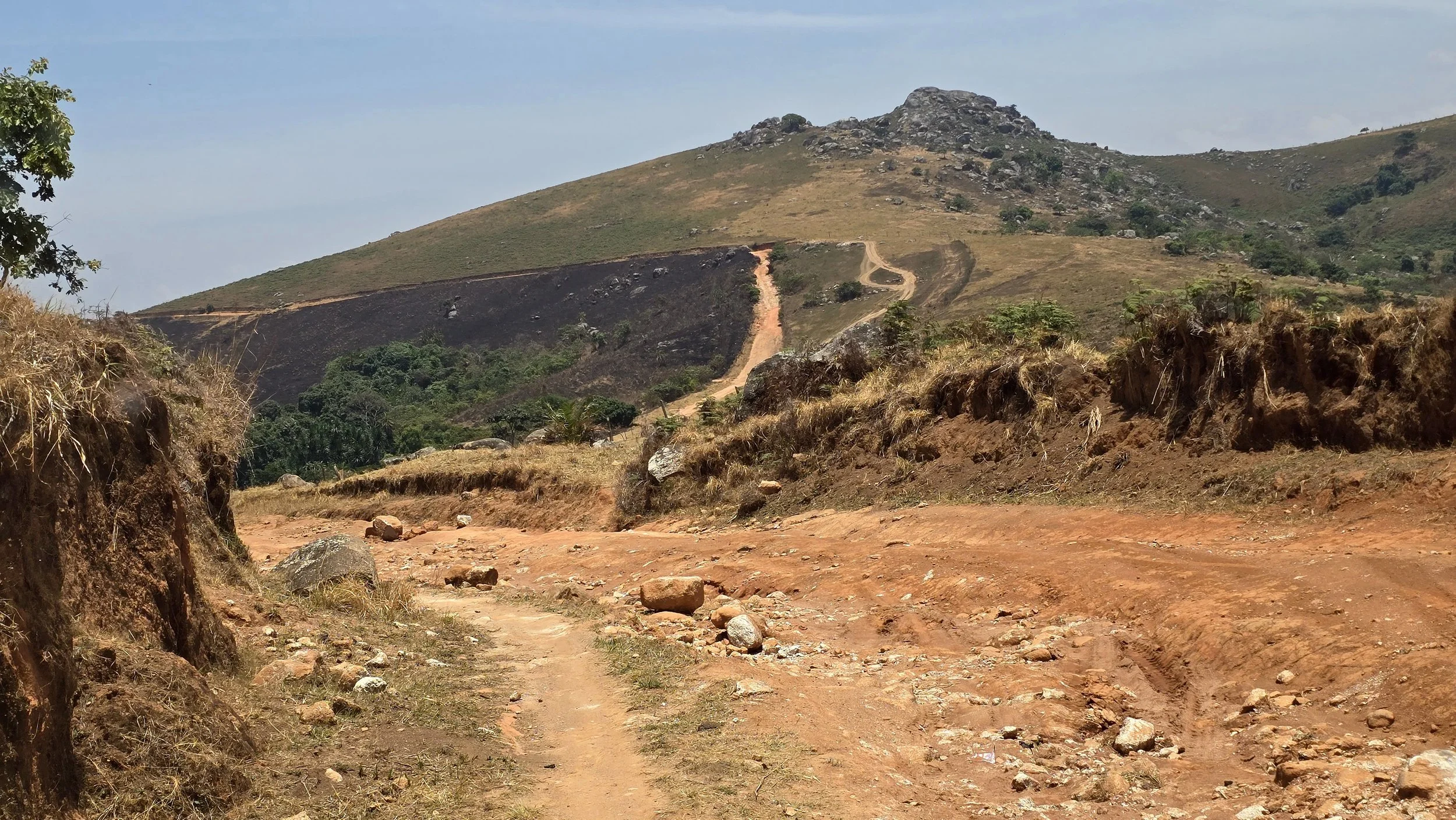
BANYO TRACK
We were fortunate. Crossing at the very end of the dry season meant conditions were about as good as they ever get. Bob, after several weeks of mechanical melodrama that had caused us to question both his reliability and our life choices, behaved impeccably. What had sat niggling at the back of our minds for weeks turned out to be one of dramatic mountain scenery, empty tracks and just enough difficulty to feel adventurous without requiring follow-up counselling.
We rolled into the Muslim town of Banyo on the first day of Eid to discover that Cameroon’s customs officials had, quite reasonably, better things to be doing. The Douane office was shuttered, the weekend loomed, and it appeared we might be settling in for an unplanned residency.
Our search for accommodation produced one of those establishments where the distinction between “room available” and “room you would like to sleep in” is largely semantic. We paid for a room but slept in Bob, which turned out to be money well spent. The owner proved to be the brother of the absent customs officer and, more importantly, had connections at the local army base where diesel could still be procured.
The following morning, we returned to the Douane just as a man on a motorbike appeared, evidently summoned from more pressing engagements. Without even bothering to dismount, he produced a rubber stamp from his backpack, applied it to our Carnet and drove off. Thus was our entry into Cameroon solemnly ratified.
Immigration was rather less formal. There wasn’t any. Our only official acknowledgement of entering the country came in the form of a policewoman who photographed Bob on her phone. We seemed to be the only people remotely concerned by the absence of passport stamps.
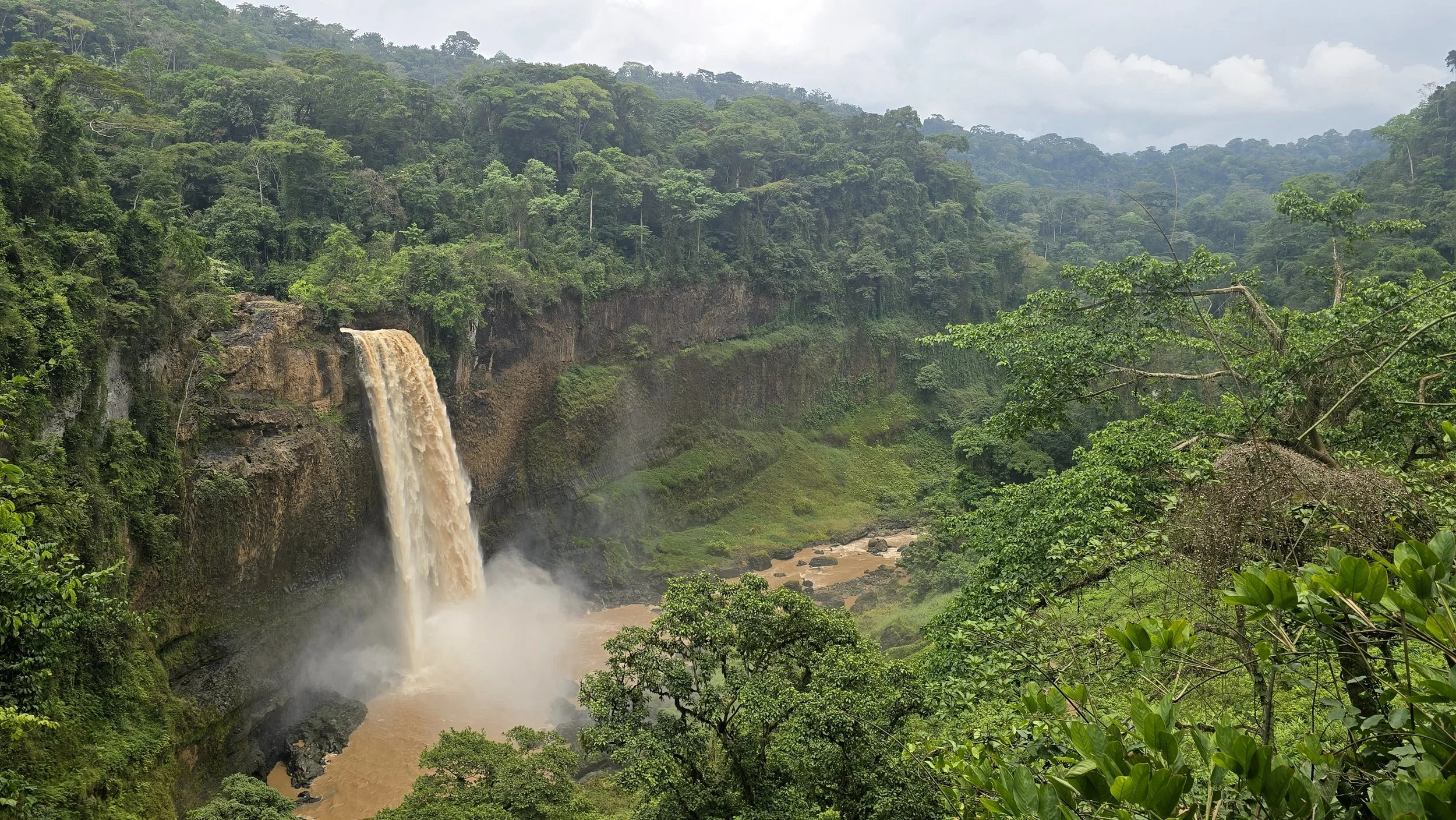
ekom-nkam falls
Cameroon likes to market itself as “Africa in miniature”, which sounds charmingly manageable until one discovers this includes miniature versions of colonial partition, linguistic division and low-grade insurgency. Roughly the size of Spain and home to some 29 million people, it has a youthful, fast-growing population and a religious divide that, unlike in many places, generally rubs along with commendable restraint: predominantly Muslim in the north, mostly Christian elsewhere, and with remarkably little of the theological enthusiasm for making life difficult for one another. So why is it so difficult to access from Nigeria?
The explanation lies in the sort of colonial tidying-up exercise at which European powers once excelled. Cameroon began life as a German colony before, following the inconvenience of the First World War, being carved up between Britain and France. The British were allocated two narrow strips along the Nigerian border, while the French helped themselves to the remaining eighty percent.
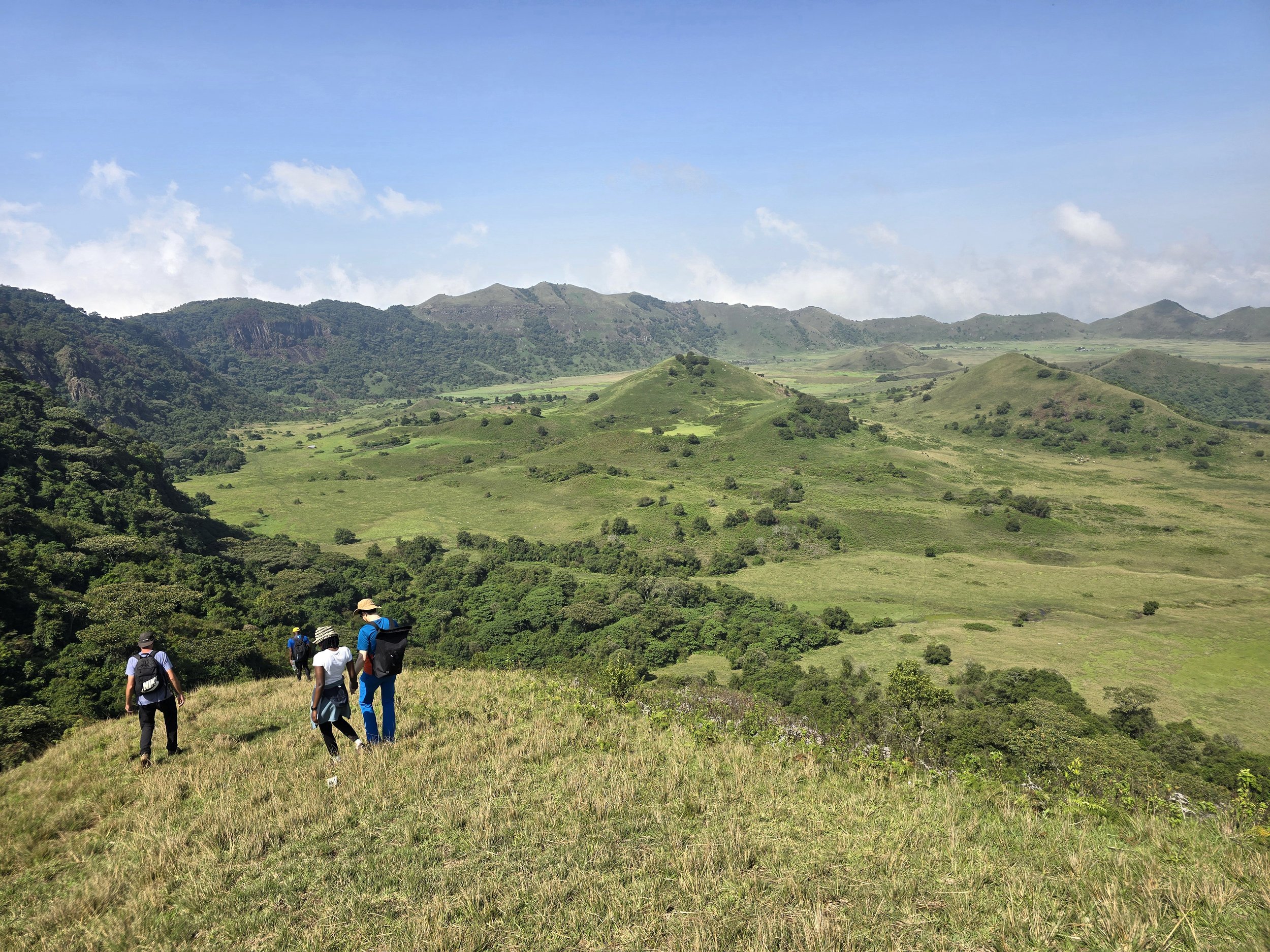
manengouba
When independence arrived in 1960, the map was stitched back together but the differing legal systems, languages and political expectations remained. Over time, many English-speaking Cameroonians came to be increasingly sidelined by the Francophone government in Yaounde – rather as if invited to a party only to discover they’d been seated at the children’s table.
Tensions simmered for decades before boiling over in 2016, when protests by lawyers and teachers over language and judicial representation were met with the sort of heavy-handed response that rarely improves matters. Separatists declared an independent state, rather grandly christened “Ambazonia”, and a low-level insurgency has smoldered ever since, producing sporadic clashes, kidnappings and enough roadblocks to keep any bureaucracy enthusiast thoroughly occupied.
The only alternative to our mountain crossing was to join a 300km twice-weekly military convoy through separatist territory – no doubt an efficient service, though faintly at odds with the spirit of overlanding Africa to spend the journey under armed escort.
From Banyo, our route wound south through Cameroon’s western Anglophone highlands, a landscape of volcanic peaks, steep agricultural terraces and luxuriant green slopes that felt refreshingly alpine after the furnace conditions of Benin and Nigeria.
Perhaps our being English helped, but we found people unfailingly warm and welcoming. The sole exception were the men in orange road-safety vests, who displayed an almost touching commitment to stopping us at every conceivable opportunity in the hope that either Bob or his occupants had committed some previously undiscovered motoring offence. One radar trap conveniently positioned a few hundred metres before the speed reduction sign, led to half an hour of argument before the matter was settled by our suggestion of taking down details and visiting the Minister for Tourism.

mt cameroon
The cooler temperatures encouraged activity. We detoured to the thunderous Ekom-Nkam Falls and the twin crater lakes of Mount Manengouba, before turning our attention to Mount Cameroon, the brooding active volcano which, at 4,095 metres is West Africa’s highest peak. Our summit attempt was, in mountaineering terminology a complete shambles.
Having spent weeks in such relentless heat that we had more or less forgotten weather possessed other settings, we set off carrying entirely inappropriate gear and the sort of misplaced optimism usually associated with amateur investors. Several hours later we were engulfed by a sleet storm of startling vindictiveness. Within minutes we were soaked, freezing and trudging miserably downhill. Thus chastened, we descended to the sticky coastal sprawl of Douala ready for a brief retirement from the road.
Fortunately, salvation lay just 128 km offshore. A twenty-minute flight would carry us to Bioko, the volcanic island home to Equatorial Guinea’s capital, and equally importantly, allow us to add another flag to Bob’s steadily expanding collection. This latter objective may not have been entirely rational, but overlanding has never been an activity especially burdened by such descriptions.
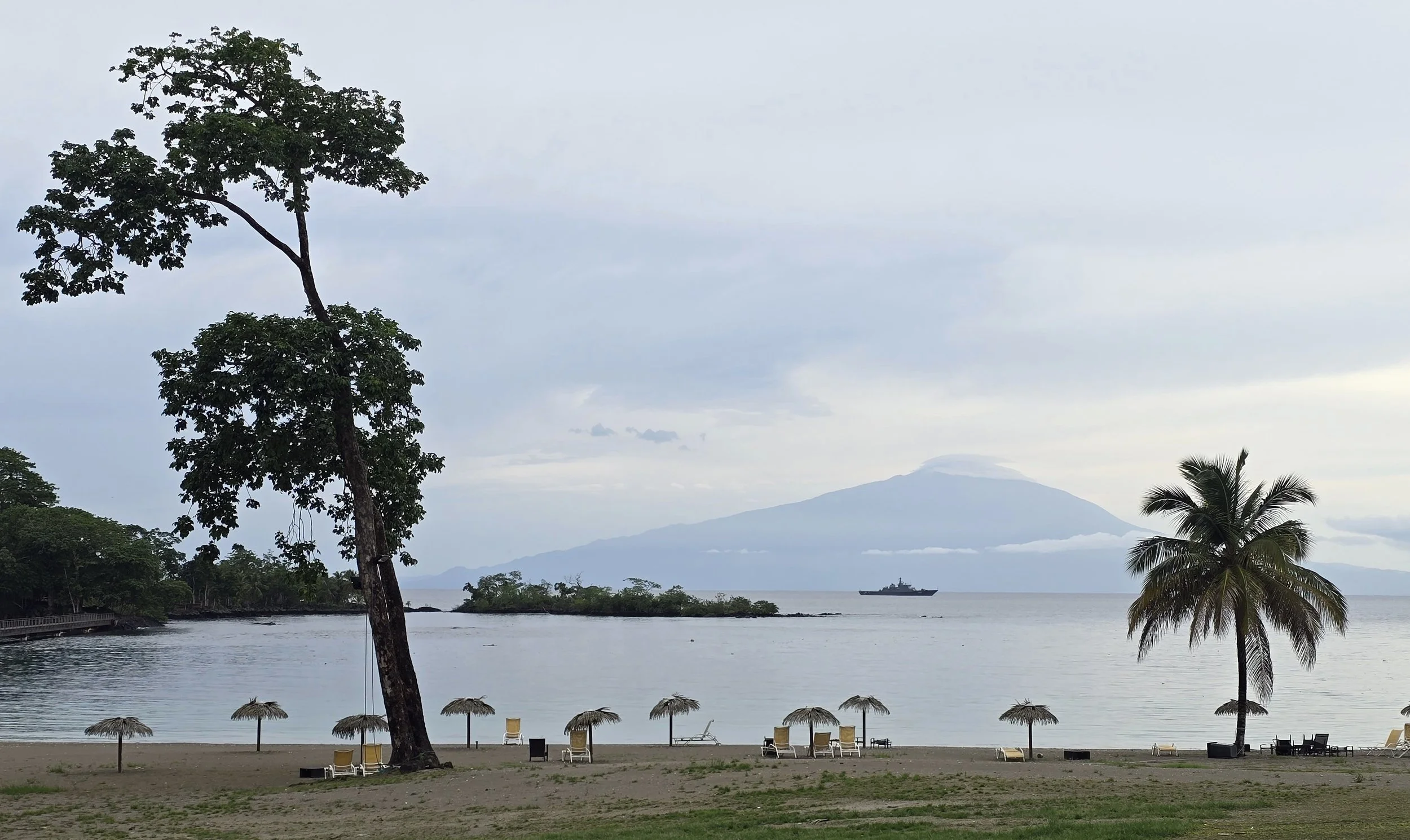
view of mount cameroon from equatorial guinea
Equatorial Guinea consists of the mainland region of Rio Muni and five islands, including Bioko, where the capital Malabo is located. It is a country that has traditionally hidden from tourism though the recent introduction of an e-visa (air access only) has eased matters somewhat. Overland access to the mainland remains a lottery best avoided.
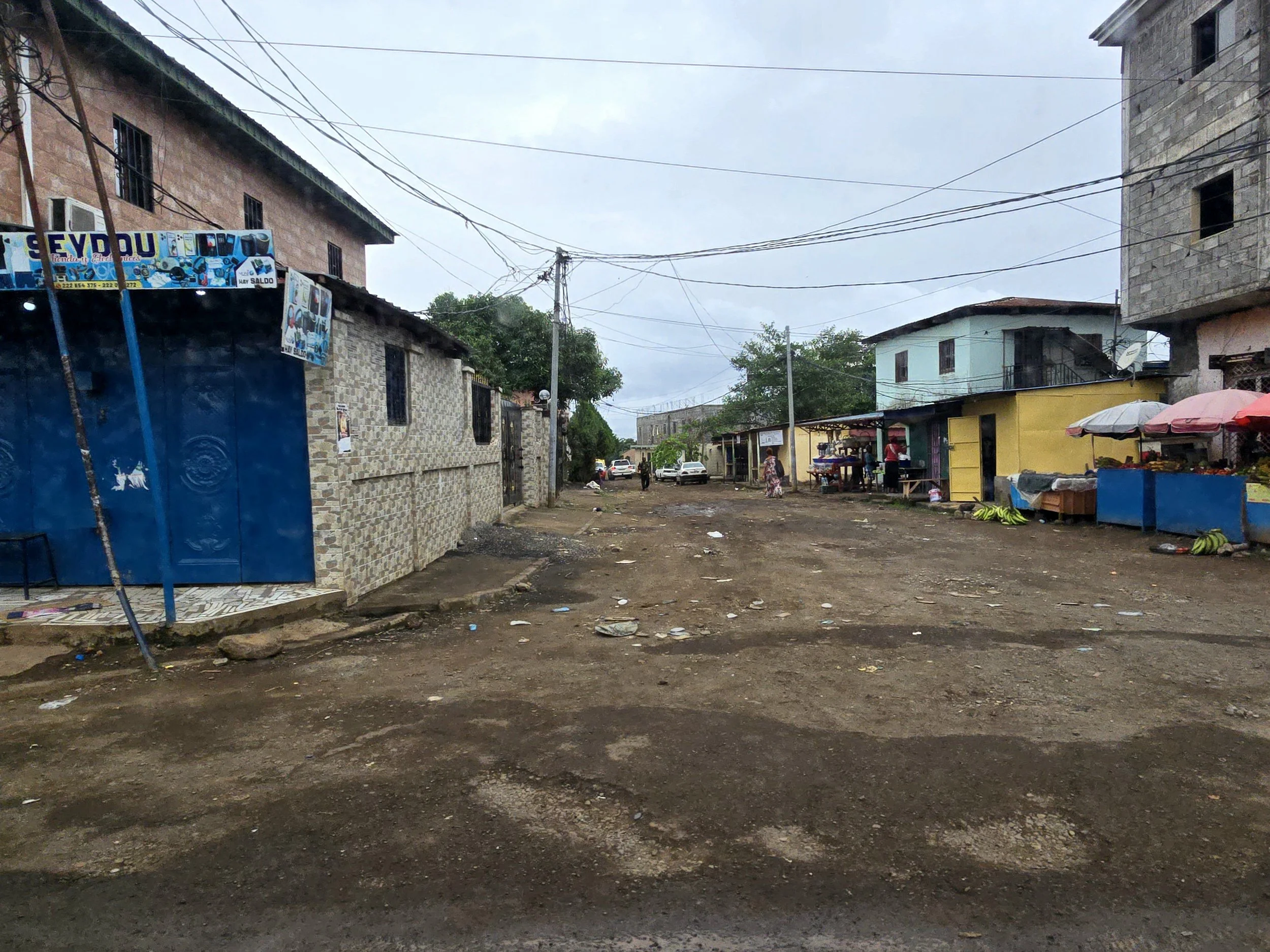
living conditions on bioko island
It was hard not to be impressed on arrival. The clean, modern airport – admittedly rather short on people – was efficient, and our guide was waiting to greet us. The drive to our hotel followed a new three-lane highway as eerily devoid of life as the terminal itself. Glossy office blocks and apartment complexes rose from the lush vegetation, polished and immaculate, but almost entirely empty.
We passed the conference centre, built for African Union summits, beside fifty-two identical empty mansions complete with helipads for visiting heads of state. To date, two summits have been held, the most recent in 2014. The infrastructure was undeniably superb, provided one’s definition of success does not depend on people actually using it.
Passing an artificial beach and an ultramodern hospital so exclusive as to be largely non-operational, we arrived in Sipopo: Equatorial Guinea’s carefully constructed showpiece. President Teodoro Obiang, Africa’s longest-serving ruler spent more than half a billion pounds on this rebrand of prosperity while presiding over one of the world’s most unequal societies.
Few outsiders paid much attention to this Spanish-speaking backwater until the discovery of oil brought Western energy giants flocking in and propelled the ruling family onto the global rich list. Although per-capita wealth exceeds Britain’s, around two-thirds of Equatorial Guinea’s population - less than 2 million - survives on one or two dollars a day. Infant mortality rates remain among the world’s worst, access to electricity and healthcare is poor fewer than 20% of the population have access to potable water.
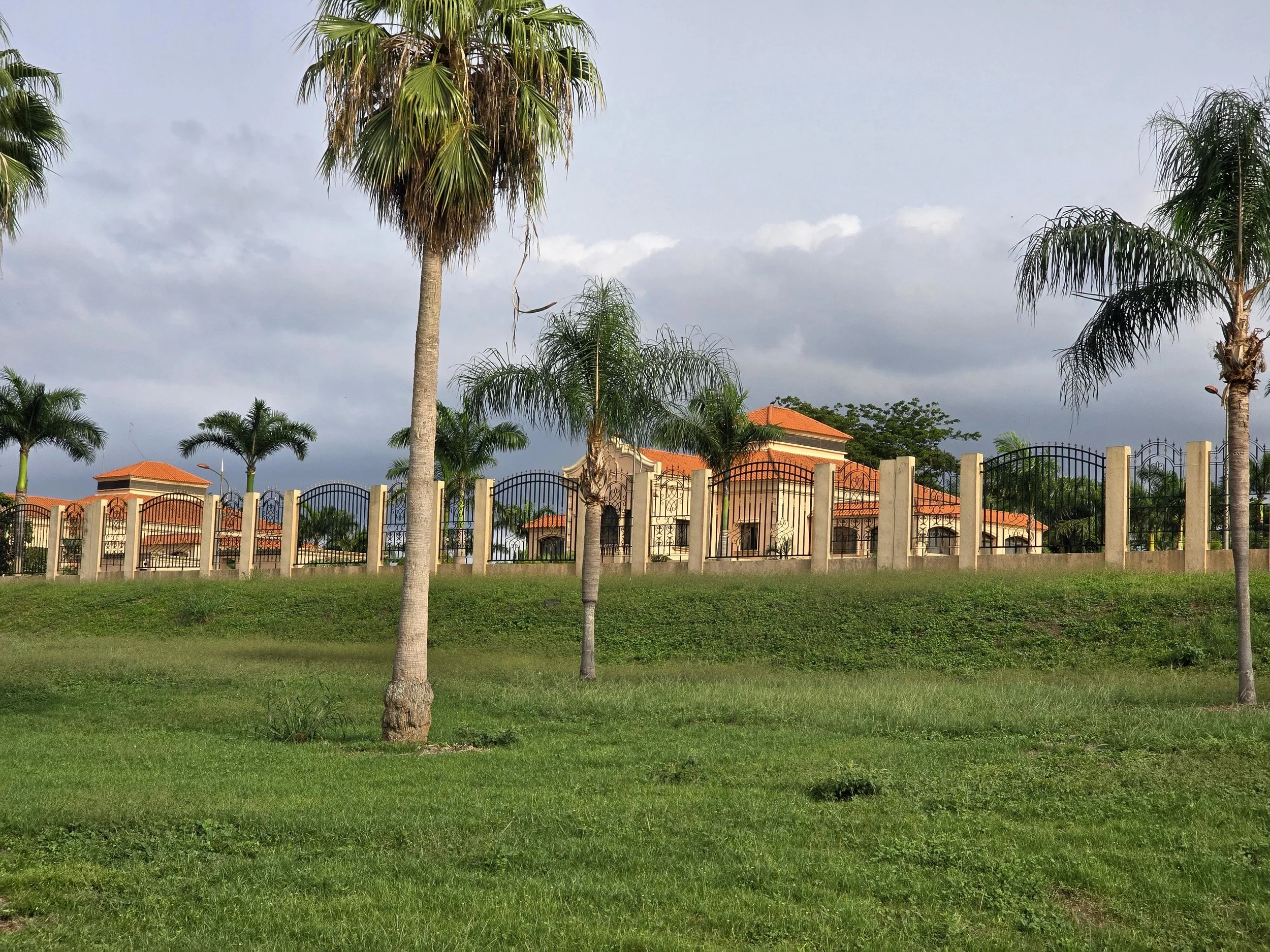
empty mansions
In stark contrast, through relentless embezzlement and extortion, the President and his family inhabit a world of multi-million-dollar mansions, private jets, superyachts and - if local stories are to be believed - a rainbow-coloured fleet of Ferraris on standby to coordinate with handbags and socks.
Freedom House places Equatorial Guinea alongside Burma, North Korea and Somalia on its list of the world's worst regimes: a ruthless one-party state where elections are stage-managed, opponents jailed and state coffers enthusiastically looted. Daily life is tightly controlled, while the government stands accused of torture, disappearances and extrajudicial killings.
Breakfast at the Sofitel Sipopo – not to be confused with the equally fabulous-looking but conspicuously empty Sofitel Malabo back towards the airport - was lavish enough to feed every occupant of the hotel’s two hundred rooms. Instead, it catered to perhaps a dozen guests. As we watched one large, heavily tattooed individual slowly cracking his neck while contemplating the pastries, it occurred to us that we were the only people present without personal security. Pehaps the eye-watering €300-a-day fee for our guide was justified after all.
Mr. Augustine was surprisingly candid about life on the island as we passed through an abundance of armed checkpoints. Paranoia perhaps seemed excessive on such a small island but after the failed “Wonga Coup” of 2004 - when a group of British-led mercenaries tried to overthrow Obiang in pursuit of the country’s oil wealth – perhaps it was not entirely misplaced. Thanks to a brother-in-law high up in the military, our guide was able to take us into areas officially off-limits without a tourist permit that, owing to the usual bureaucratic gymnastics, we had been unable to obtain.
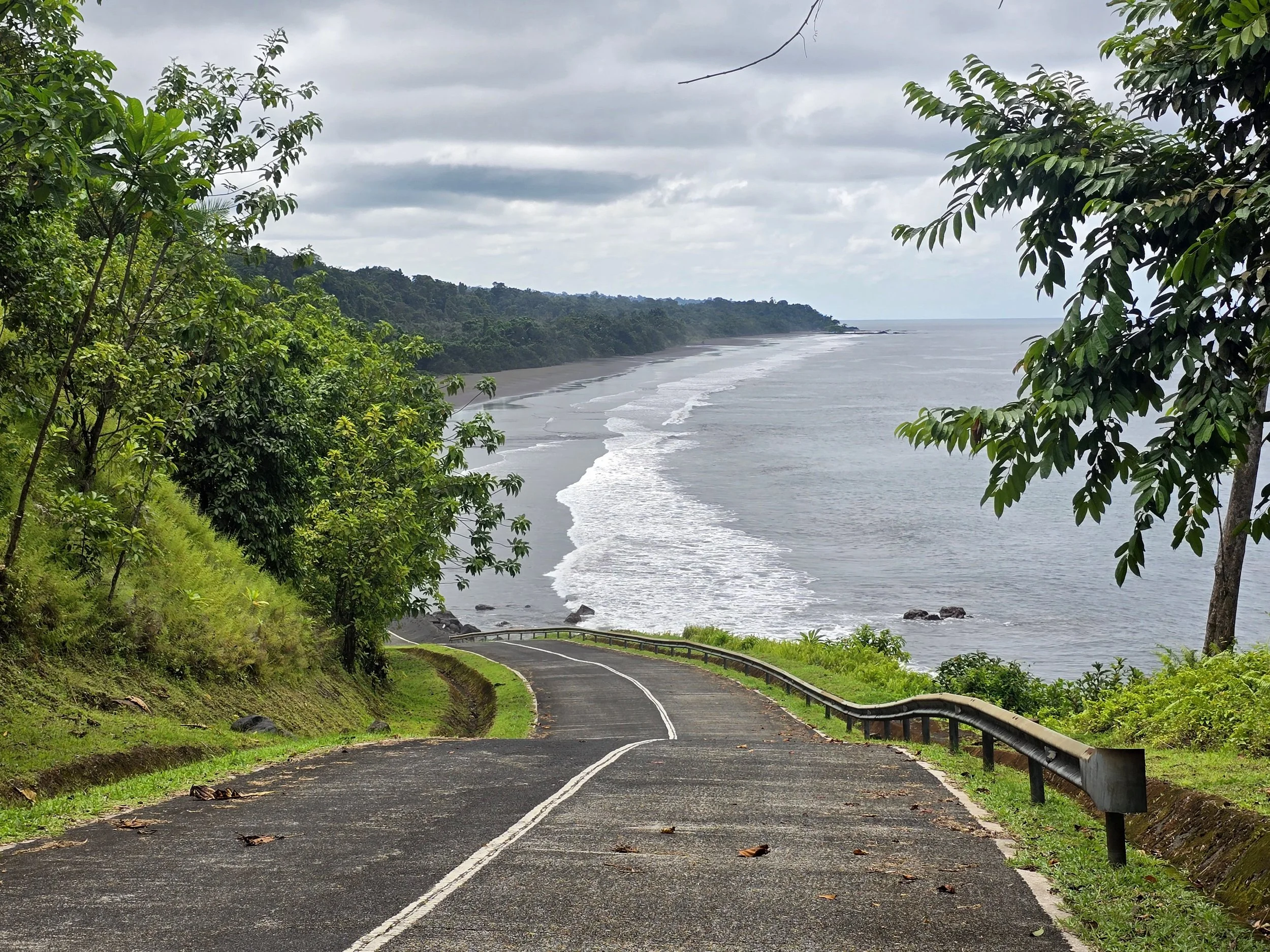
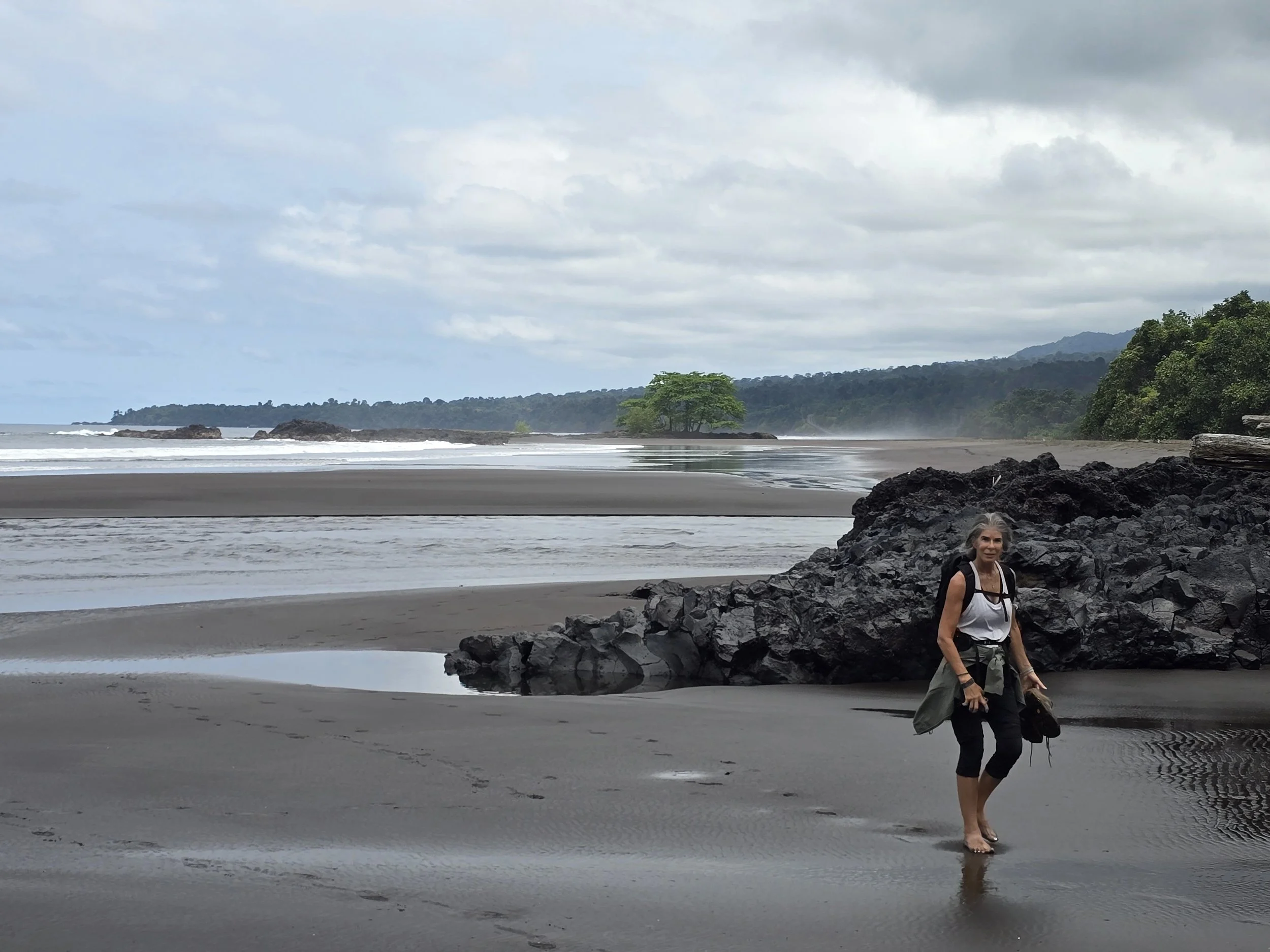
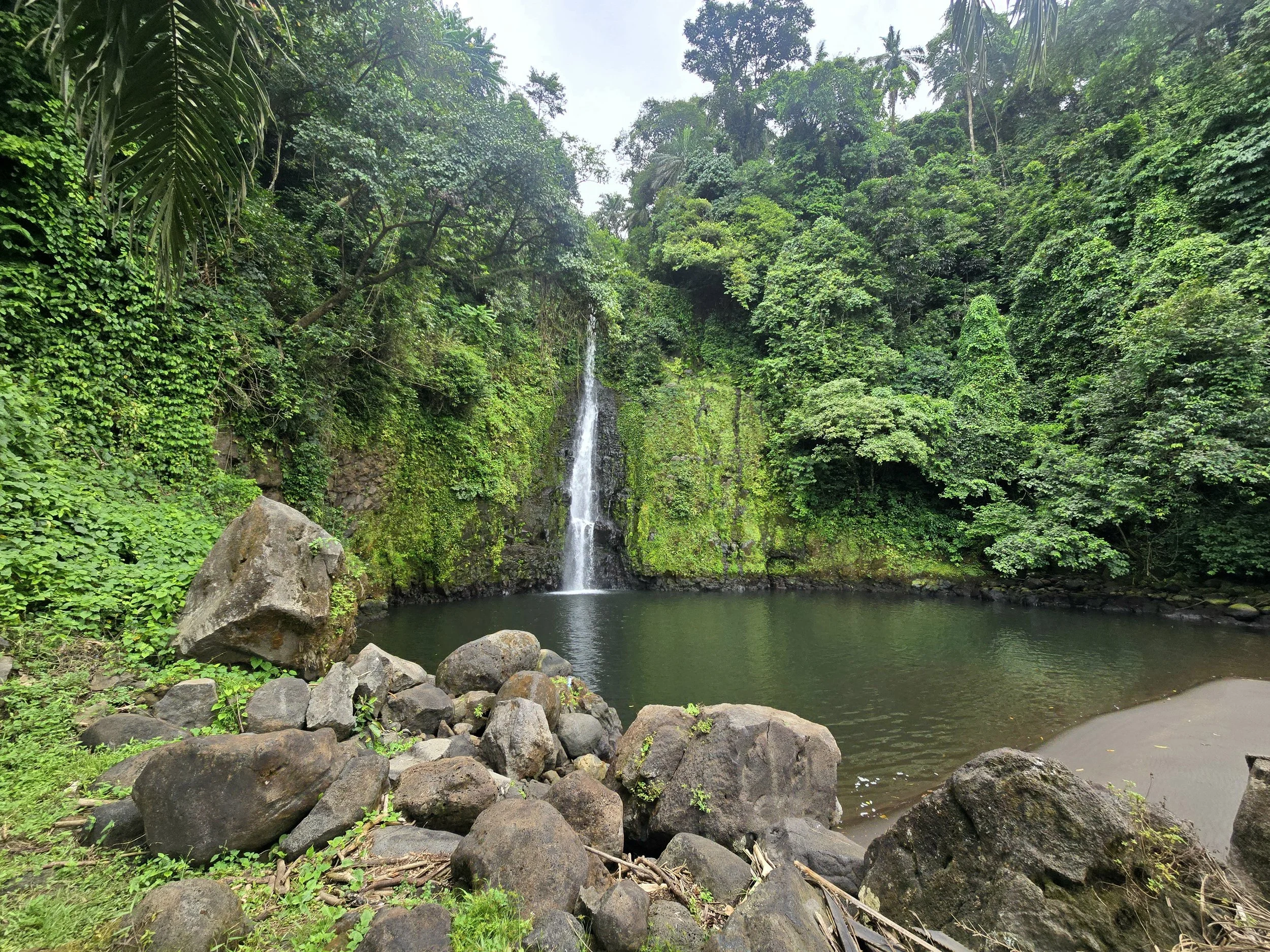
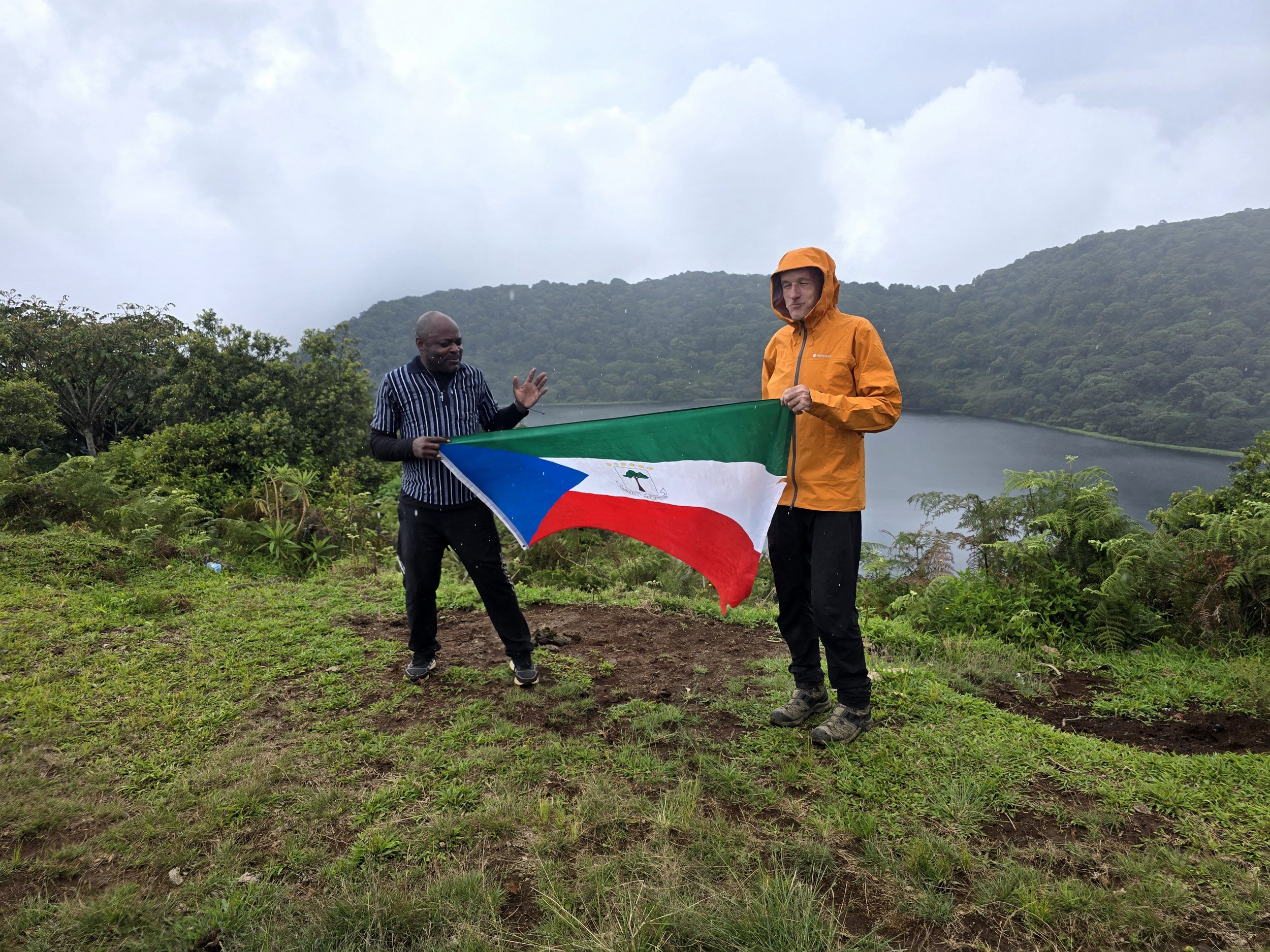
Rarely had we encountered such untouched nature. We hiked for hours through pristine rainforest to reach the crater lake of Moka. At Ureka, the black-sand beach stretched to the horizon, the relentless drone of insects from the dense jungle competing with the crashing Atlantic surf. Our footprints were the only ones marking the shore. It was a raw, astonishing paradise, made all the more difficult to reconcile with the profound dysfunction and repression beyond it.
This tiny African country, stripped of the easy smiles that have accompanied us through much of the Continent, left an outsized impression, its citizens quietly hopeful for change. At the time of our visit, rather improbably, some seemed to be pinning those hopes on intervention from Trump.
Back in Cameroon we drove inland to the hilly capital of Yaounde, where despite a newly improved road network, traffic had achieved total paralysis. Drivers ignored traffic lights, treated roundabouts as gladiatorial arenas, and defended every inch of tarmac with grim determination. A sizeable contingent of traffic police attempted to restore order and failed magnificently.
Still, it had a nice vibe.
We had visited the mountains, seen the coast and explored its two largest cities. It was now time to head into the vast rainforests on the western edge of the Congo Basin.

non-stop logging trucks, cameroon
It took three arduous days of driving to reach the tiny jungle village of Libongo. Despite being unable to find any recent information on the state of the road, we had set off in reasonably good spirits, buoyed by the knowledge that this had once been a well- trodden route for tour groups. The key phrase being once.
Any close inspection suggested the road had been quietly deteriorating ever since Covid put an end to such things. A decent stretch of tarmac gradually gave way to a less decent one before disappearing entirely beneath iron rich red dirt - a particular nemesis of ours. This stuff gets everywhere. When dry, it somehow infiltrates drawers, bedding, clothing and every conceivably surface. When wet, it transforms into a slick orange slime with all the traction of buttered glass, coating everything it touches in fluorescent mud.

corrugations, no traction and red dirt
As we wrestled to keep Bob travelling in something approximating a straight line, we also had to contend with hundreds of kilometres of savage washboard corrugations and heavily laden logging trucks, hurtling towards us with all the caution of incoming artillery.
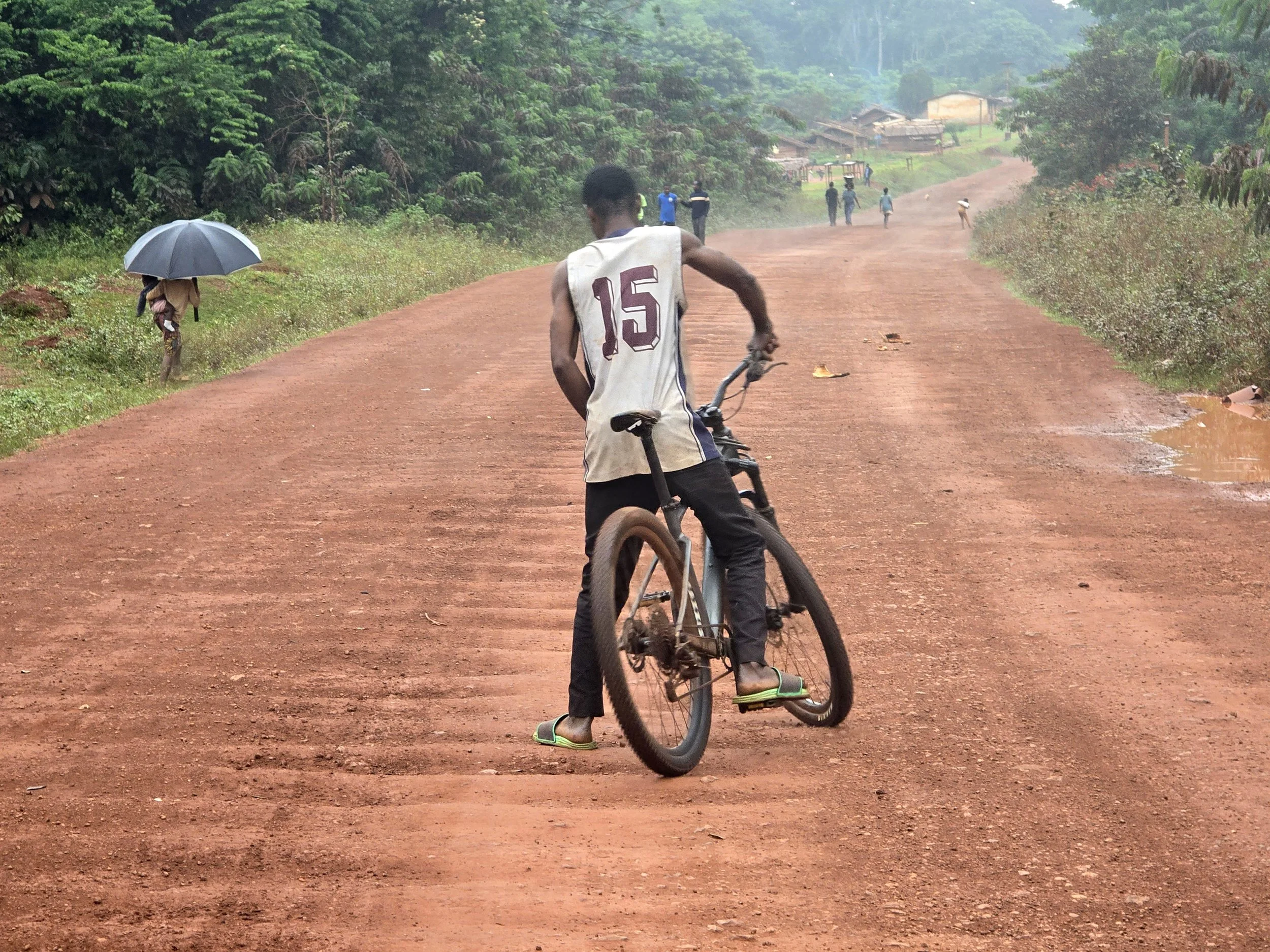
On the plus side, at least we no longer had the bicycles to worry about. Unable to endure the punishment any longer, our bike rack finally admitted defeat. The bikes would probably have been dragged behind us for considerably longer had we not passed through a remote jungle village where the locals kindly pointed out our rather unconventional method of transportation. Many hands swiftly set about disentangling the mangled remains from what was left of the rack, and with no practical way of carrying them any further, we handed them over.
bike donation
Severed brake wires, missing pedals and bent frames were all graciously overlooked as these “gifts from god” were received with considerably more enthusiasm than they objectively warranted. We did not linger for the celebrations, and a quick glance in the rear-view mirror suggested lively negotiations over ownership were already underway.
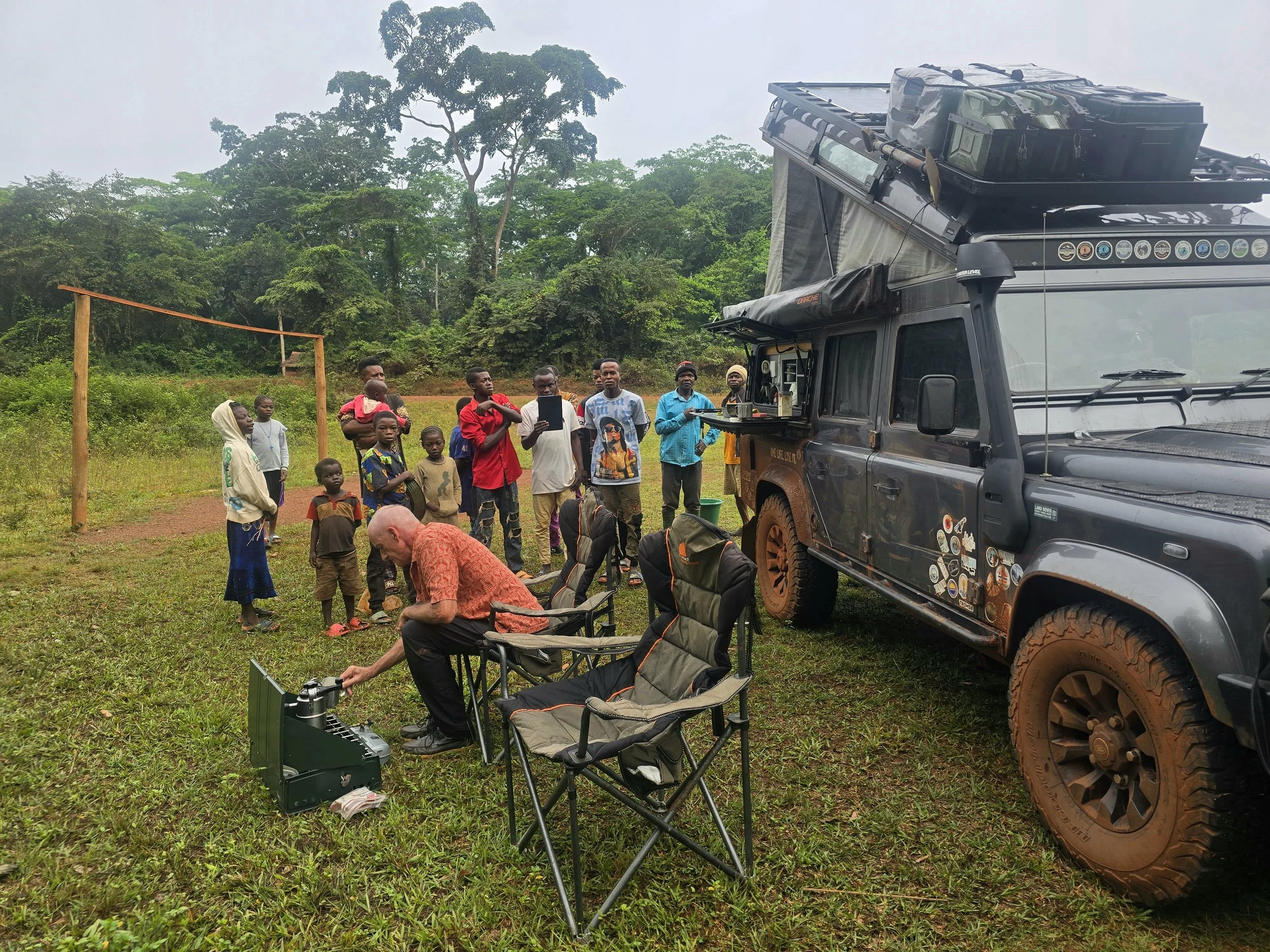
By now darkness was falling, and finding somewhere to wild camp was proving difficult. The road had effectively been hacked out of solid jungle, with the occasional patches of cleared ground already occupied. Eventually, we spotted a level grassy football pitch beside a village and sought permission from the chief to stay the night.
He gladly accepted a small donation to the village. A young man appeared with water and began sponging several inches of red clay from Bob’s flanks, while around forty spectators gathered to watch the evening’s entertainment: two exhausted white people attempting to look competent. Once darkness made further observation impractical, the audience dispersed.
Late the following day we finally reached Libongo. After introducing ourselves to the young men of the National Gendarmerie, we negotiated safe parking beside their hut in exchange for access to our Starlink. This tiny and remote logging settlement in Cameroon’s far southeast stood on one side of the Sangha river; the Central African Republic lay on the other.
Disappointed at the prospect of losing their internet connection, but promising to keep a close eye on Bob, the Gendarmes waved us off the next morning. Having secured a ludicrously expensive boat crossing - € 60 for 10 minutes’ work – immigration on both sides was handled by armed officials reclining in tiny huts at the waters’ edge.
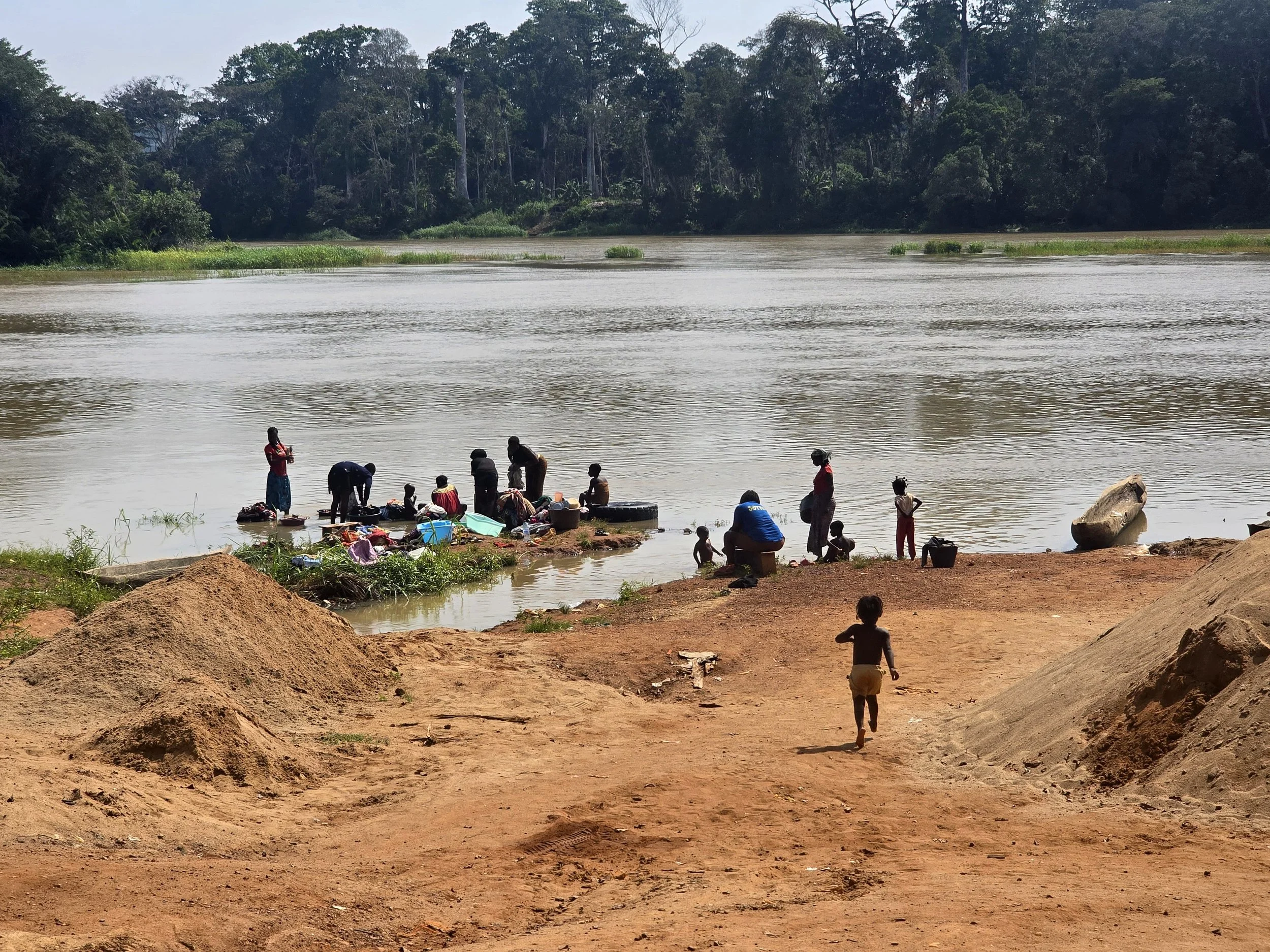
border crossing cameroon to central africa republic
Once across, and apparently eager to claim the bags of vegetables we had been instructed to procure at Libongo’s tiny market, our lodge had dispatched “the chainsaw man” to collect us for the onward journey. The bumpy 3-hour trip along a rutted and overgrown jungle track might have taken somewhat less time had our vehicle not required its axle to be removed en-route so that the universal joint could be replaced.
From a tourist’s perspective, the Central African Republic is one of the most remote, difficult and unpredictable countries in Africa. Infrastructure is minimal, security can change rapidly, and travel is often complicated by fuel shortages, poor roads and vast tracts of empty country. Yet, at its southwestern tip lies a genuine gem: the Dzanga-Sangha Special Reserve, a vast protected rainforest that supports some of the most remarkably intact wildlife populations left on the continent.
Entry to the park by boat and overland from neighbouring Cameroon or the Republic of Congo is made possible by a special permit issued on arrival. This conveniently removes the need for a full CAR visa, though it also rather firmly restricts your movements to the reserve itself. On arrival accommodation options are limited to a couple of eco-lodges where prices reflect less luxury than the sheer logistical achievement of operating in such isolation.

roadside repairs
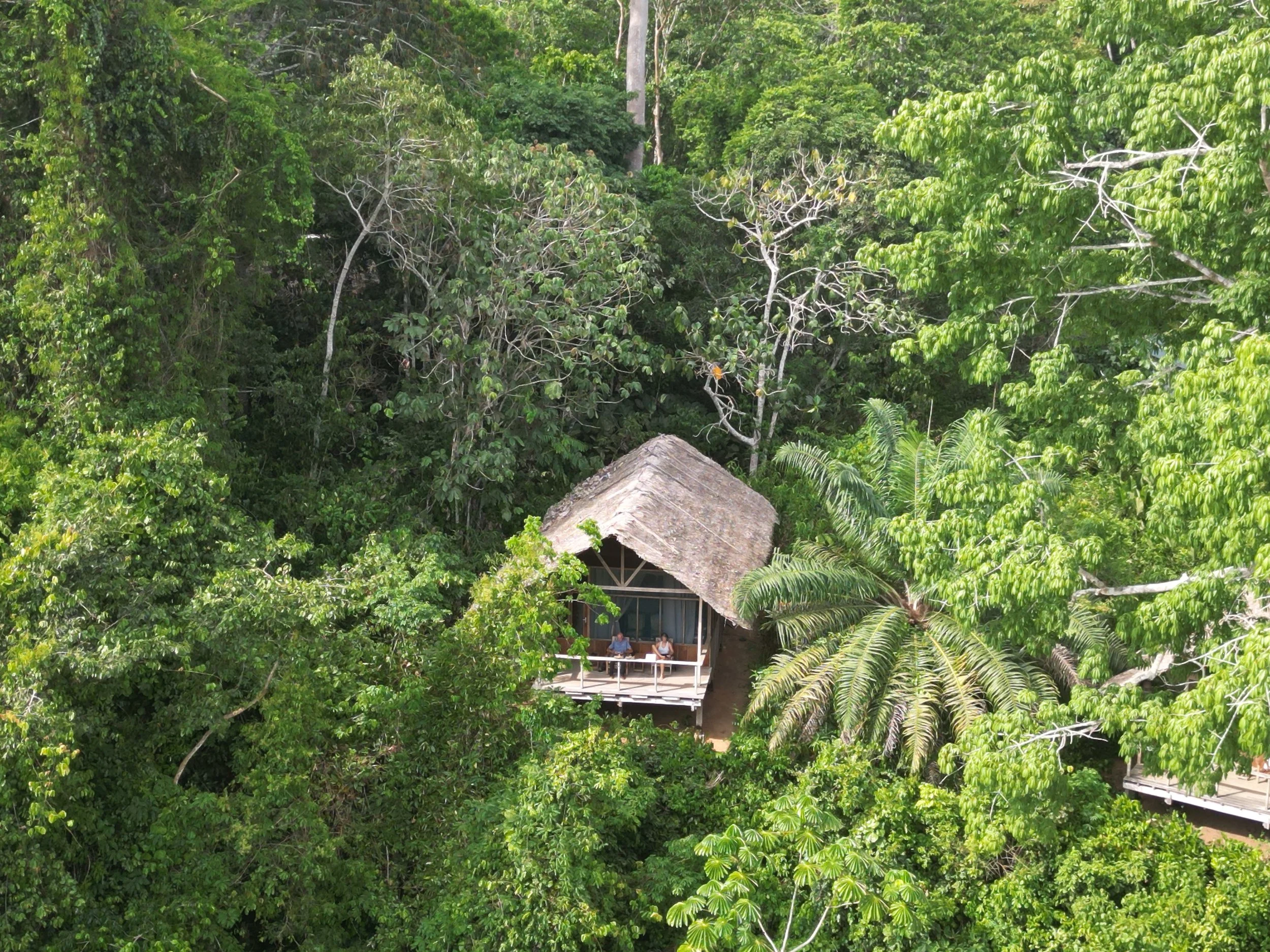
Sangha Lodge had clearly seen better days though one has to admire anyone who has managed to establish functioning accommodation in the middle of a rainforest. The South African owner was absent during our visit, but had left us in capable hands: cheerful staff, an attentive English-speaking, French guide, and a safari vehicle entirely at our disposal.
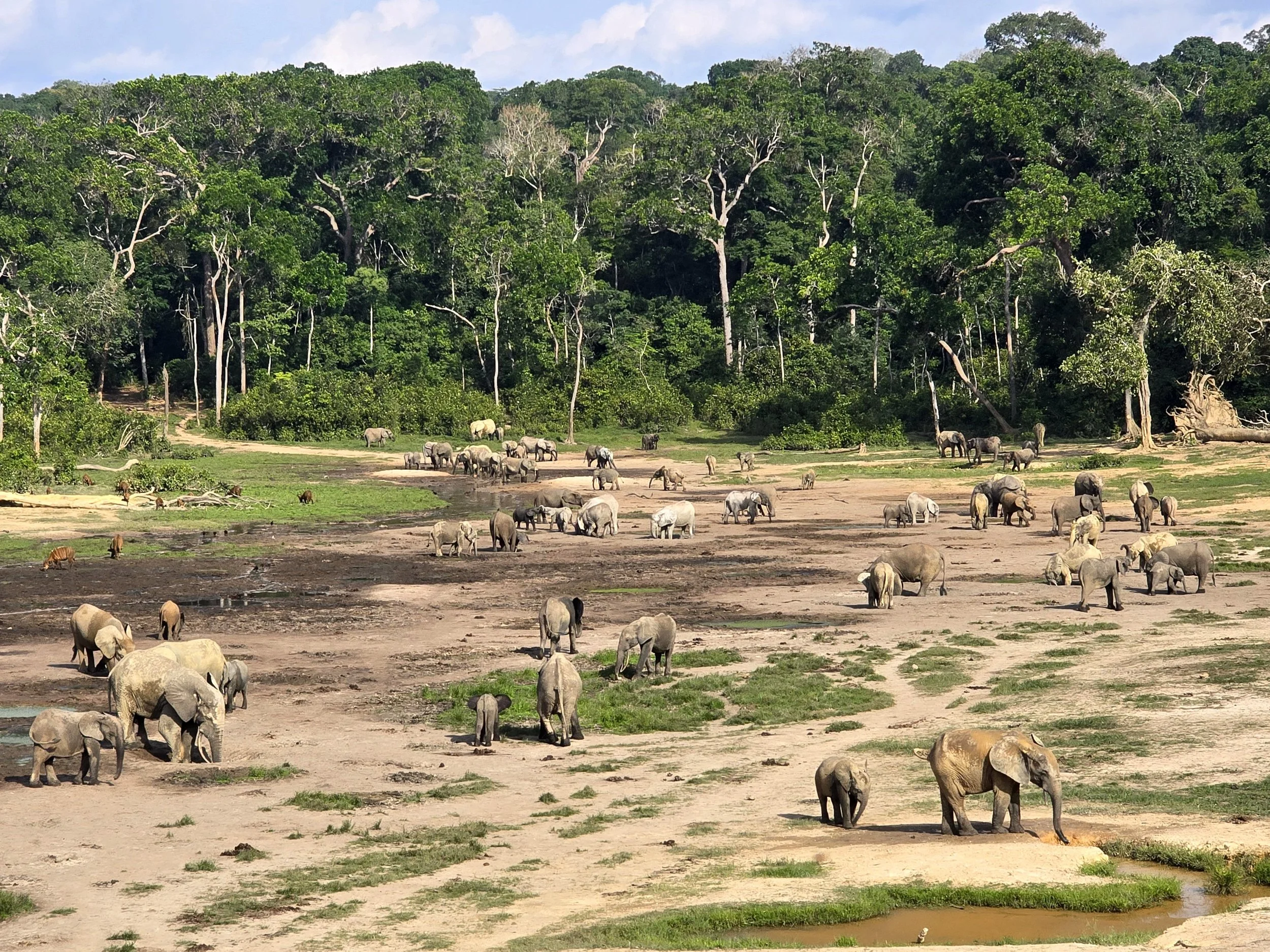
The reserve’s most celebrated feature is Dzanga Bai, a natural forest clearing where animals congregate to feed on mineral-rich soils and water. A large wooden observation platform overlooks the bai, and the scene awaiting us at the top is one we will never forget. Ian counted more than 130 forest elephants simply going about their business: socializing, child-minding, squabbling over the best mineral pits and, in the case of several amorous bulls, attempting to score.
Clearings like this, monitored with support from the World Wide Fund for Nature, have proved invaluable for reducing poaching and tracking elephant populations.
The reserve’s other flagship project is its Primate Habituation Programme, established in the mid-1990s to study and protect western lowland gorillas. It has also created one of the few opportunities on earth to spend time with a habituated family group.
After an hour of sweating through dense rainforest, our guides abruptly signalled for silence and directed us down a slippery slope into a narrow gulley of shallow water. On the opposite bank, no more than 5 metres away and partially obscured by foliage, sat a female gorilla. She was one of six belonging to the group of the large silverback, Limo.
As our eyes adjusted, more shapes gradually materialized: several females and four juveniles scattered among the undergrowth. When the group moved higher up the slope, we followed, surprised at how completely our presence failed to distract them from the pressing business of settling down for a midday snooze.
Freed from adult supervision, the juveniles took the opportunity to engage in a vigorous display of acrobatics and general showing off until one exasperated female intervened, reprimanding the youngsters. This didn’t go down too well with the other females who promptly added their opinion. The resulting commotion was short-lived. Limo, roused from his own slumber, intervened with the resigned authority of a weary patriarch who had defused this exact dispute far too many times before.
We spent an hour with Limo and his family before it was time to leave. The parallels with human family dynamics were impossible to ignore, and it was an extraordinary privilege made possible only through years of careful habituation, during which the gorillas gradually become accustomed to human observers.

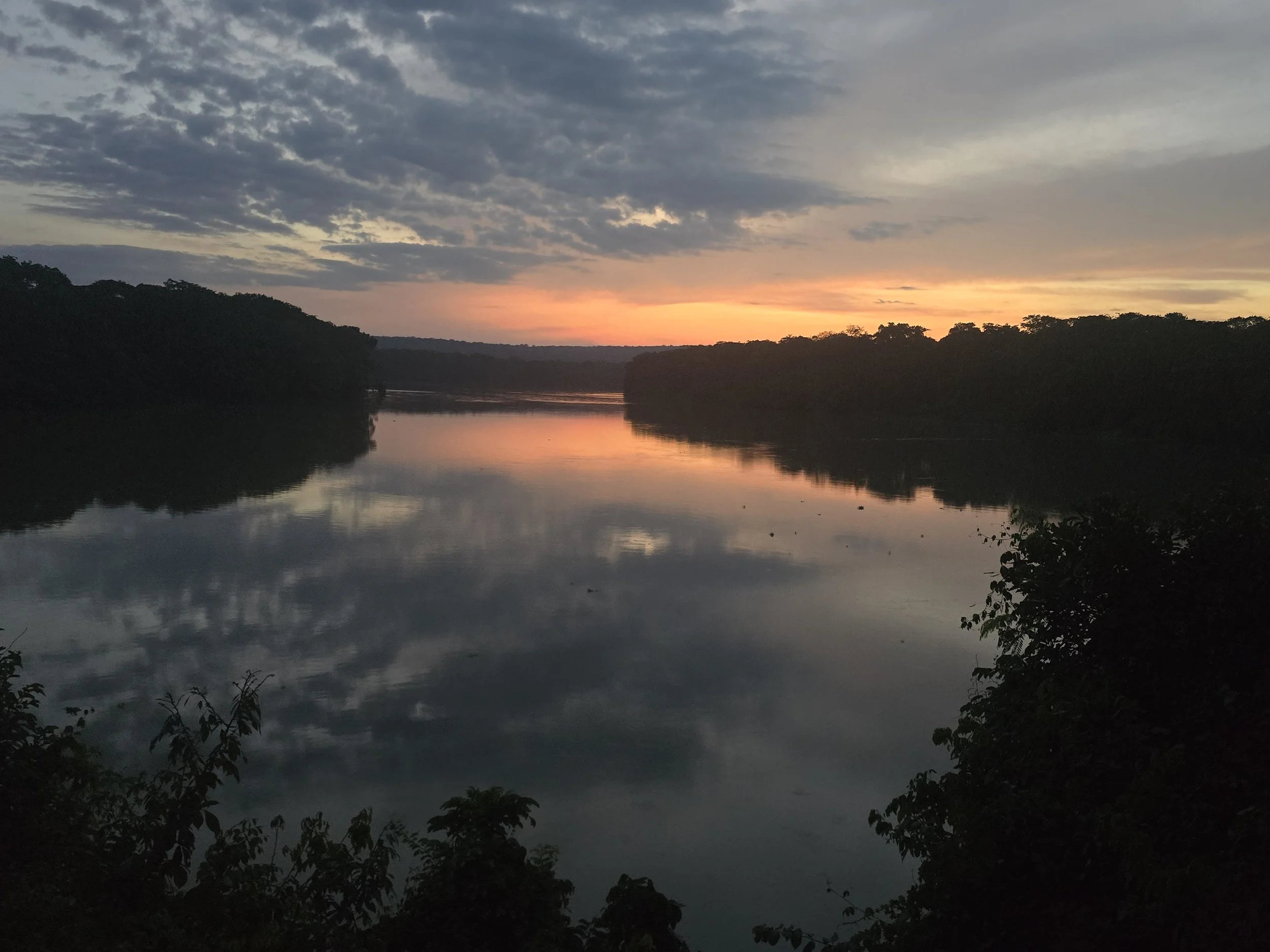
When initially contacted, our absent lodge owner had assured us that we could continue south from Libongo and ferry across the narrow Ngoko river border to Ouesso, Republic of Congo. This may once have been true, but with the completion of a tarmac road from Yaounde all the way to Congo’s capital, Brazaville, traffic is now expected to cross at the main Ntam border. In the absence of any ferries, our anticipated 250km journey now looked to include balancing Bob atop two narrow planks balanced across two adjacent pirogues. Technically possible but then so is juggling chainsaws. There also remained the minor issue of whether immigration officials would approve.
Reluctant to risk Bob receiving an unscheduled baptism, we resigned ourselves to retracing our tracks - 750km back to Yaounde followed by another 810km to Ouesso. It is a peculiar overlanding state of mind in which adding well over 1,500 km to the route registers merely as a minor adjustment.