Gambia After The Rains
/Gambia After the Rains
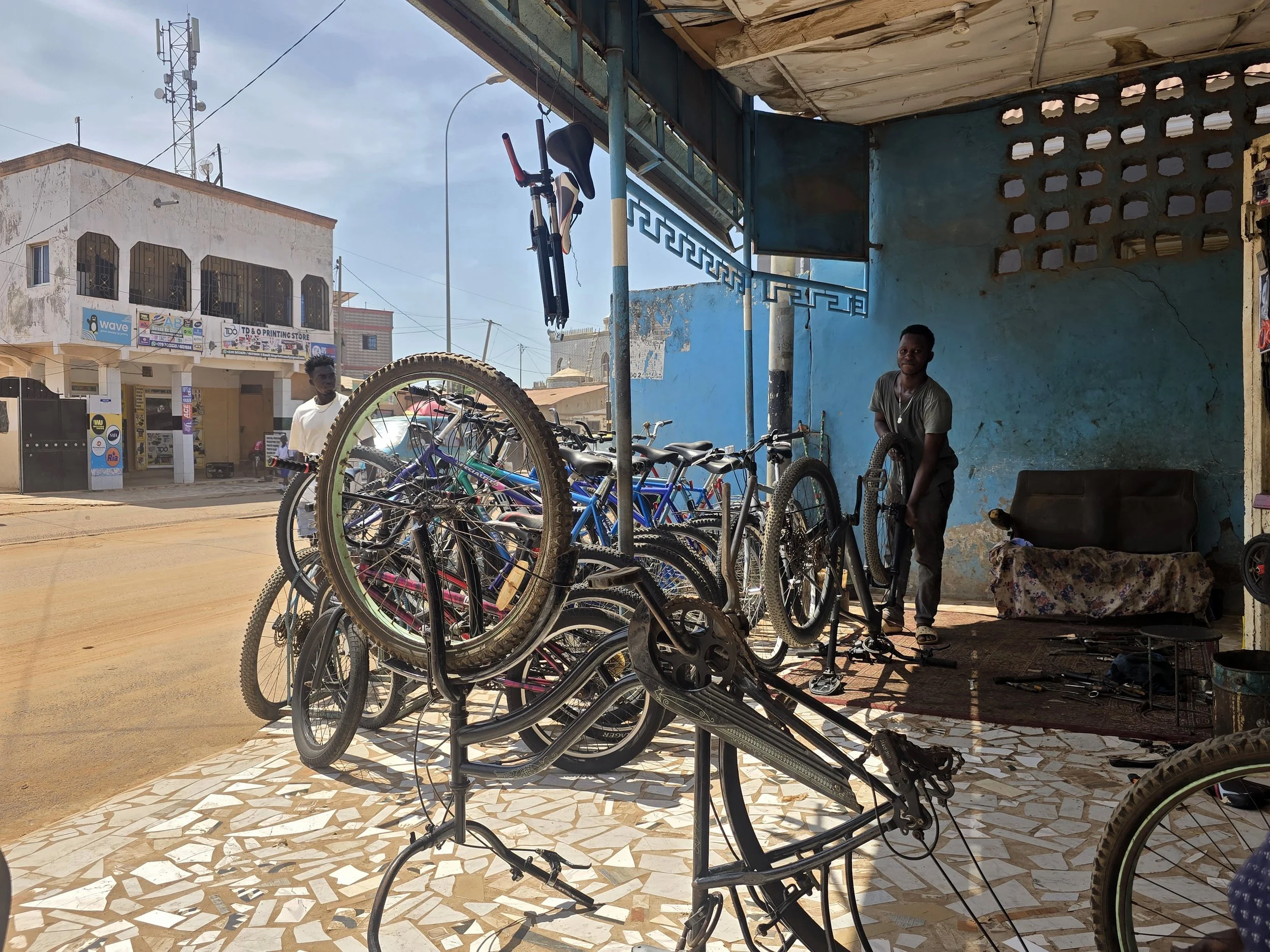
local bike shop, gambia
Five months ago we abandoned Bob, leaving him to cope with Gambia’s rainy season while we headed off to drier climes. We had planned to return to Africa at the beginning of October, but the rains hadn’t stopped, and with Europe rapidly cooling we headed to Bali instead. This presented the perfect opportunity to get stuck into the logistics of further travel through the dark continent and we enjoyed being static for a while until we were both struck down with Bali belly and it started to rain there also.
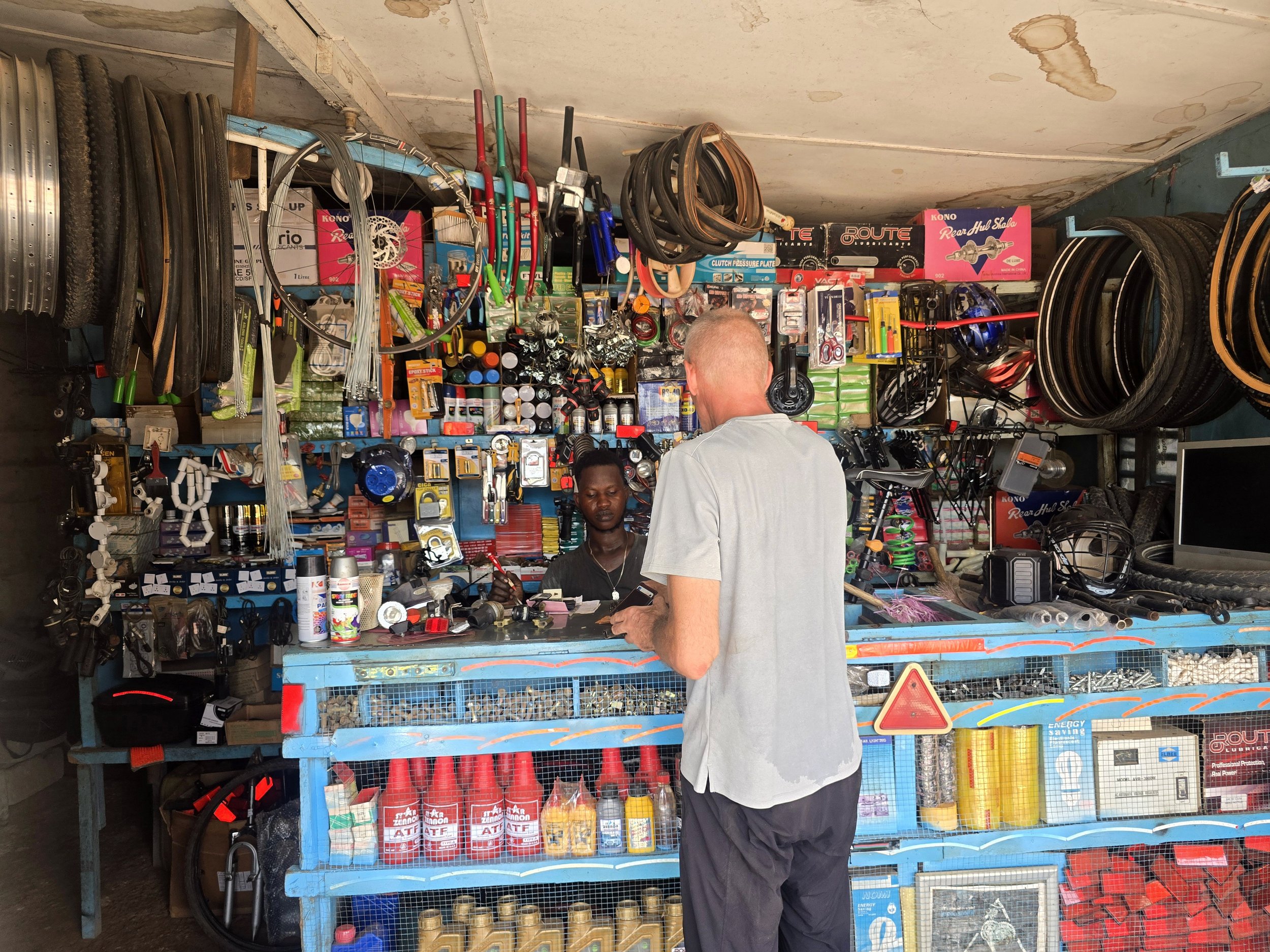
shopping for heavy duty battery for bob
We are under no illusions that this next few months of travel will be arduous. On top of the norm that we have come to associate with western Africa (limited infrastructure/services, corruption and poverty) there will also be numerous visa applications to apply for, long stretches of badly maintained roads that have somehow managed not to get washed away by the long, wet season and malaria carrying mosquitos to deal with. Malaria will hopefully be avoided due to our burgeoning supply of Malarone tablets, a new gear stick and lots of stickers for Bob should keep him happy and as for the visas, this is likely to be an on-going battle with sluggish Embassies, poor websites, patchy internet and greedy officials but, hey, without all of this where would the adventure be?!
Our arrival back to Sukuta camp and Bob was delayed by complete chaos at Banjul airport. The disorganised collection of a €20 entrance fee from non-Gambian passport holders had everyone queueing just to get inside the airport and it was 3.30am before we awoke the night guard at the camp asking to be let in. At first glance, a few hours later, Bob looked none the worse for wear, in fact thanks to the administrations of the camp staff, he looked in better shape than when we had left him. There was just a small problem, his battery was completely dead. Trying to source anything in this part of Africa is a bit hit and miss and after getting the bicycles roadworthy we spent much of the day riding from one hole in the wall to the next looking for a suitably heavy-duty battery. Rather naively, we had expected the weather on our return to be coolish and fresh after the rains. Ha! The reality was stinking hot temperatures and humidity levels resembling a dishwasher on steam cycle. Leaking moisture from every pore, we covered about 20km before eventually finding a battery just 200m from the camp.
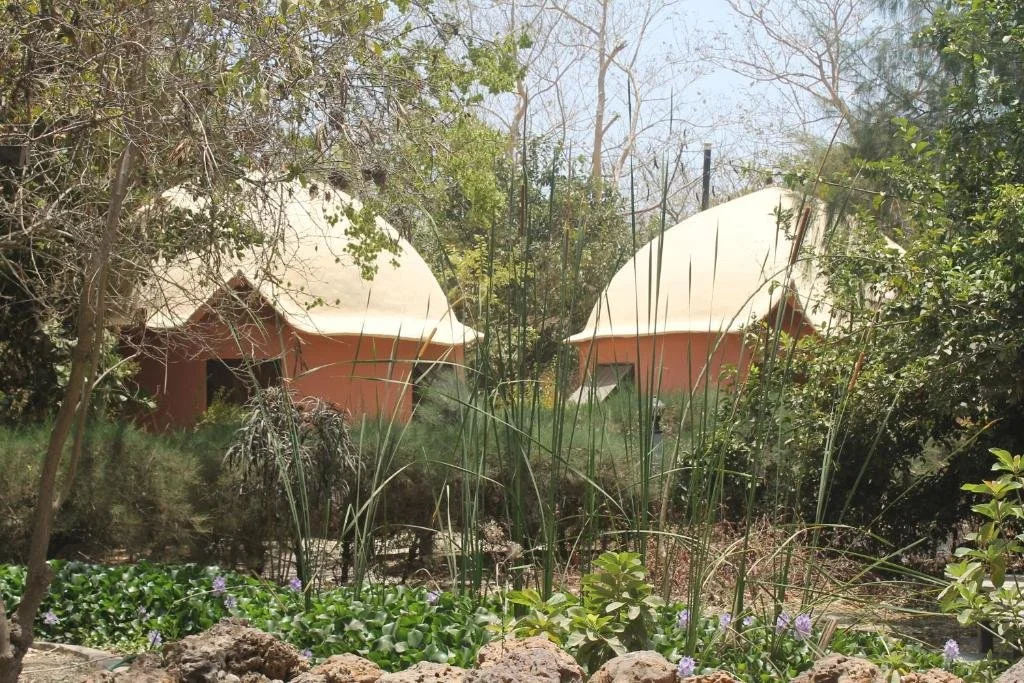
footsteps eco lodge, cunjur
With battery installed and over 70kg of European ‘shopping’ crammed within, Bob was ready to hit the road once more. Not wanting to overdo things first day back on the road, we followed the coast road south for an hour until we reached Gunjur and Footsteps Eco Lodge. The lodge, with its detached clay roundhouse cottages and chalets, is the result of one man’s mission statement to provide sustainable tourism whilst benefitting local communities. A far cry, and 3,000 miles away, from his previous job as a consultant for BarclaysWealth. Along with his Norwegian wife, ambassador of The Green Box Gambia Charity, not only has the lodge developed into one of the best in Gambia but significant progress continues to be made in supporting women and young girls, the fight against child abuse, the protection of animals and nature, promotion of sustainable waste management and the provision of scholarships. With so many good causes to choose from we opted to spend the day with the Gunjur Dog Patrol.
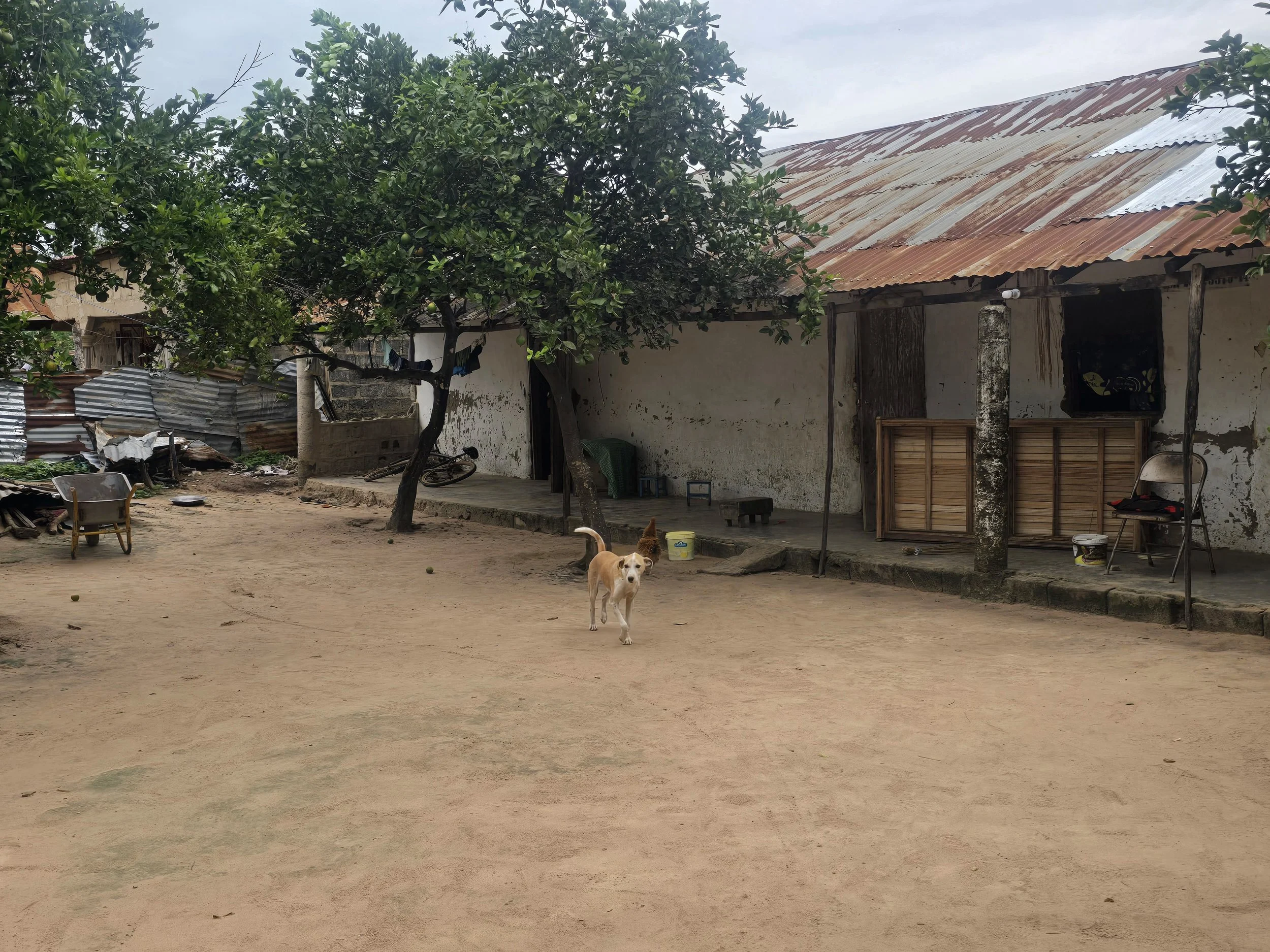
typical home in gunjur
This is a relatively new incentive aimed at treating sick animals whilst providing support and information to their owners. The rangers (paramedic vets) patrol the area on bicycles identifying dogs that need help and visiting any owners that have asked for a visit. These guys are amazing, they go out 5-6 times a week and, if our experience was anything to go by, are out for around 5 hours at a time. It was a great way to experience the realities of life in the Gambia as we were invited into the most basic of homes with huge smiles and much warmth. Despite vaccinations that are generally out of date and difficulty in getting hold of medical supplies, the team did some great work; mostly dealing with parasitic infections and fungal diseases. Any money donated to either The Green Box or Gunjur Dog Patrol goes directly to where it is needed and is not diluted. The links are https://www.thegreenbox.no/ and https://footstepsinthegambia.com/gunjur-dog-patrol/gdp/
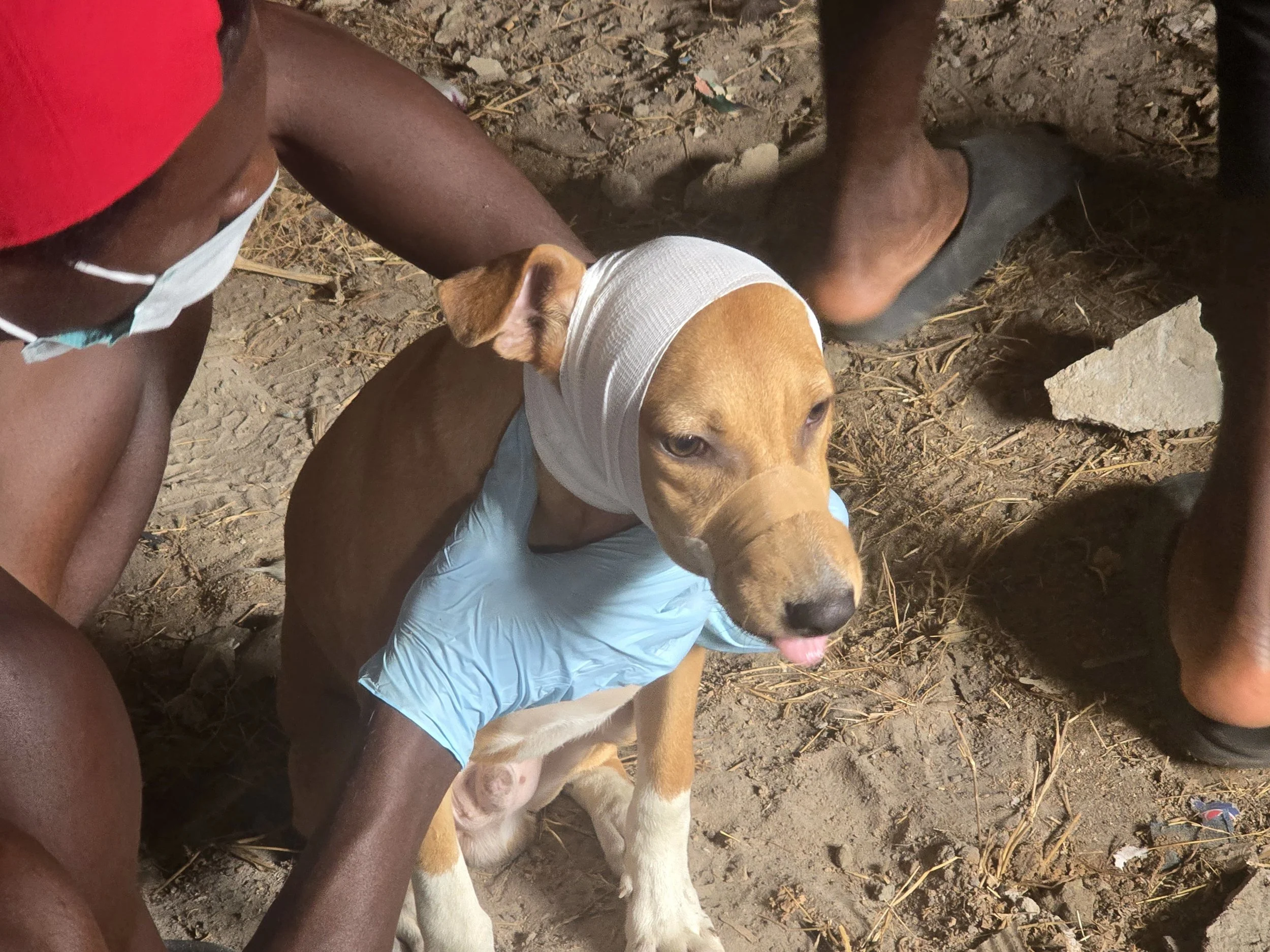
treatment for parasitic infection
Gambia is the smallest country on mainland Africa, a narrow strip of land about 480km long and no more than 100km at its widest point. Apart from its short Atlantic coast, it is completely surrounded by Senegal and our short drive south from Sukuta had us almost at its border. The country’s shape and borders came about from British and French colonial rivalry; The British controlled the river (for trade access), while France took the surrounding lands (modern Senegal). The area of Senegal that extends below the Gambia is the region of Casamance, an area of dense forests, mangroves and fertile plains.
carnet de passage
Our first entry into Senegal, a few months back, had been our most expensive country to access to date as customs had demanded payment of €250 for Bob (a foreign vehicle more than 8 years old) in exchange for a TIP (Temporary Import Permit). Recent research on the specific visa requirements of the Western African countries in front of us had thrown up some disconcerting information; mainly that Ghana (and possibly Nigeria) would no longer be issuing TIPs and a Carnet de Passage was the only way to get Bob across their borders. During our time in Europe we applied to the Australian AAA for a Carnet, outlining the purpose of our journey and a list of the countries we would be visiting. The fee was AU$1,139 plus a refundable bond of $500 receivable when the carnet is returned to the AAA showing entry and exit stamps for each country visited. A Carnet is usually issued when a vehicle leaves Australia but after explaining our circumstances our application was approved and forwarded to us in Portugal. It was put into use for the first time as we crossed from The Gambia into Southern Senegal and turned out to be so much more straightforward than the TIP – why on earth hadn’t we been using this from the get-go??
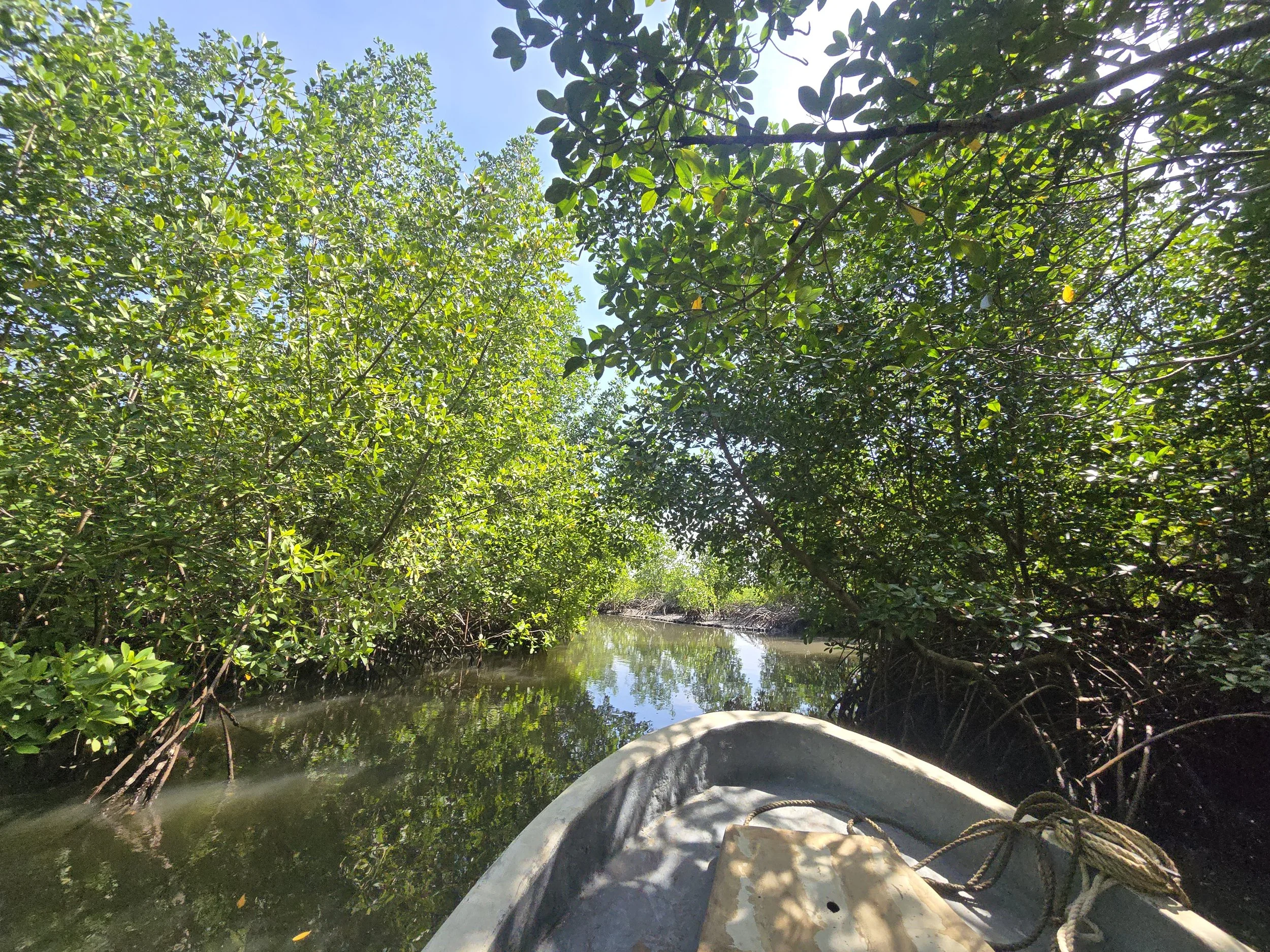
casamance mangroves
In contrast to The Gambia, which seems to rank pretty low on the scale for most overlanders, we had heard many favourable reports about Casamance and its mosaic of ethnic groups – most prominently the Diola. Travelling overland with Bob is hugely rewarding but, being transient in a world where communities are built on long-term relationships, has us permanently on the outer. Apart from not speaking a common language, being unaware of social customs, balancing privacy (take a photo/don’t take a photo) with local expectations of sociability and navigating hierarchy and protocols we stick out like a sore thumb. We are far more likely to be approached by the local children trying to get us to give them our bikes than being invited to sit down amongst the adults. Our approach to dealing with this is to take a tour with a local and VTT Casamance offers a great selection of cycling, kayaking, hiking and cultural itineraries.
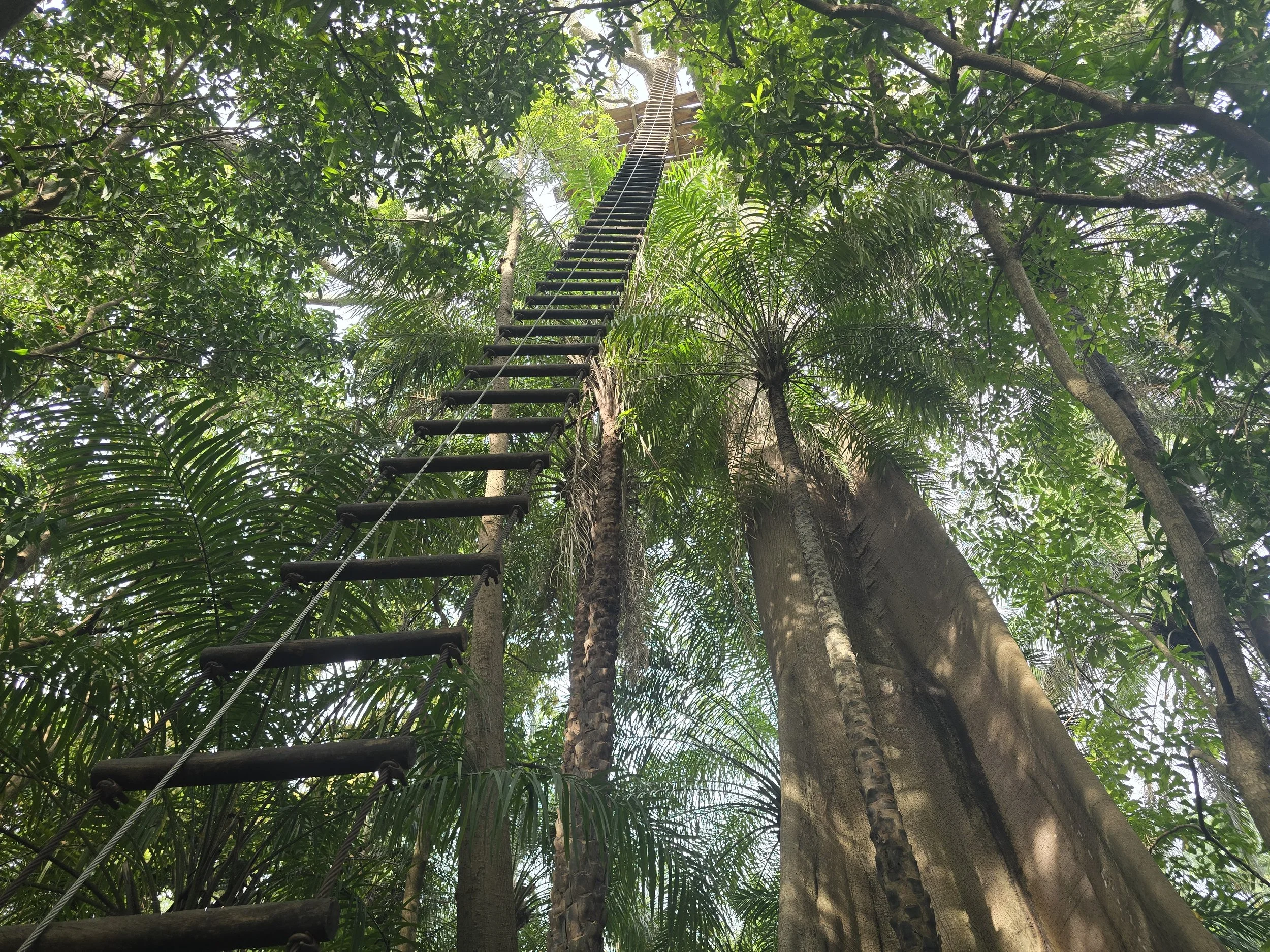
We opted for a multi-day trip, which turned out to be rather optimistic on our part given the searing temperatures and the fact that we were still being constantly reminded of Bali. Over the course of three days, we cycled on sandy jungle tracks through local villages, kayaked along mangrove waterways, rode on the back of motorbikes, trekked across a vast savannah, climbed a 24m rope ladder manned by two young boys (also in the jungle) and on one pirogue trip were held up by three customs officers complete with guns in a black dinghy. Fortunately, this encounter was short, probably due to their boat taking on so much water that their time afloat was rather limited.
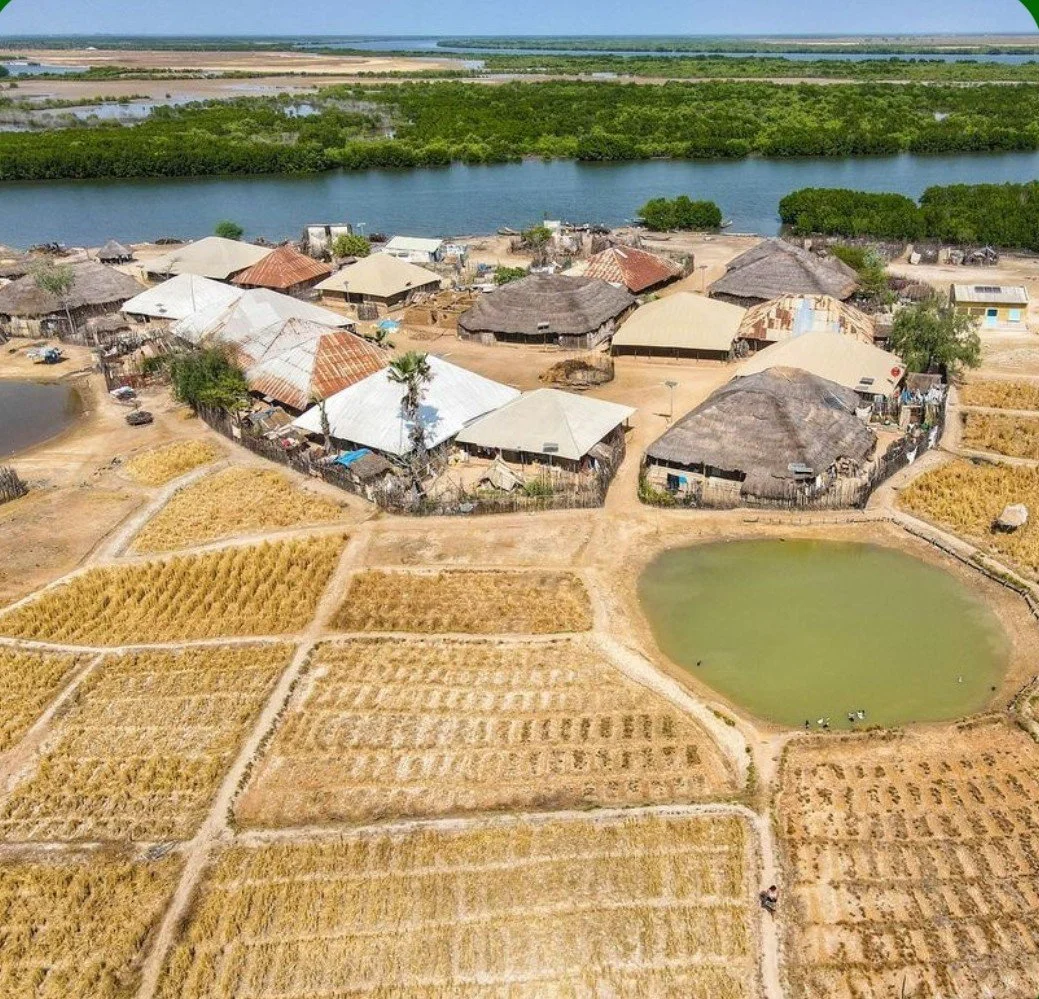
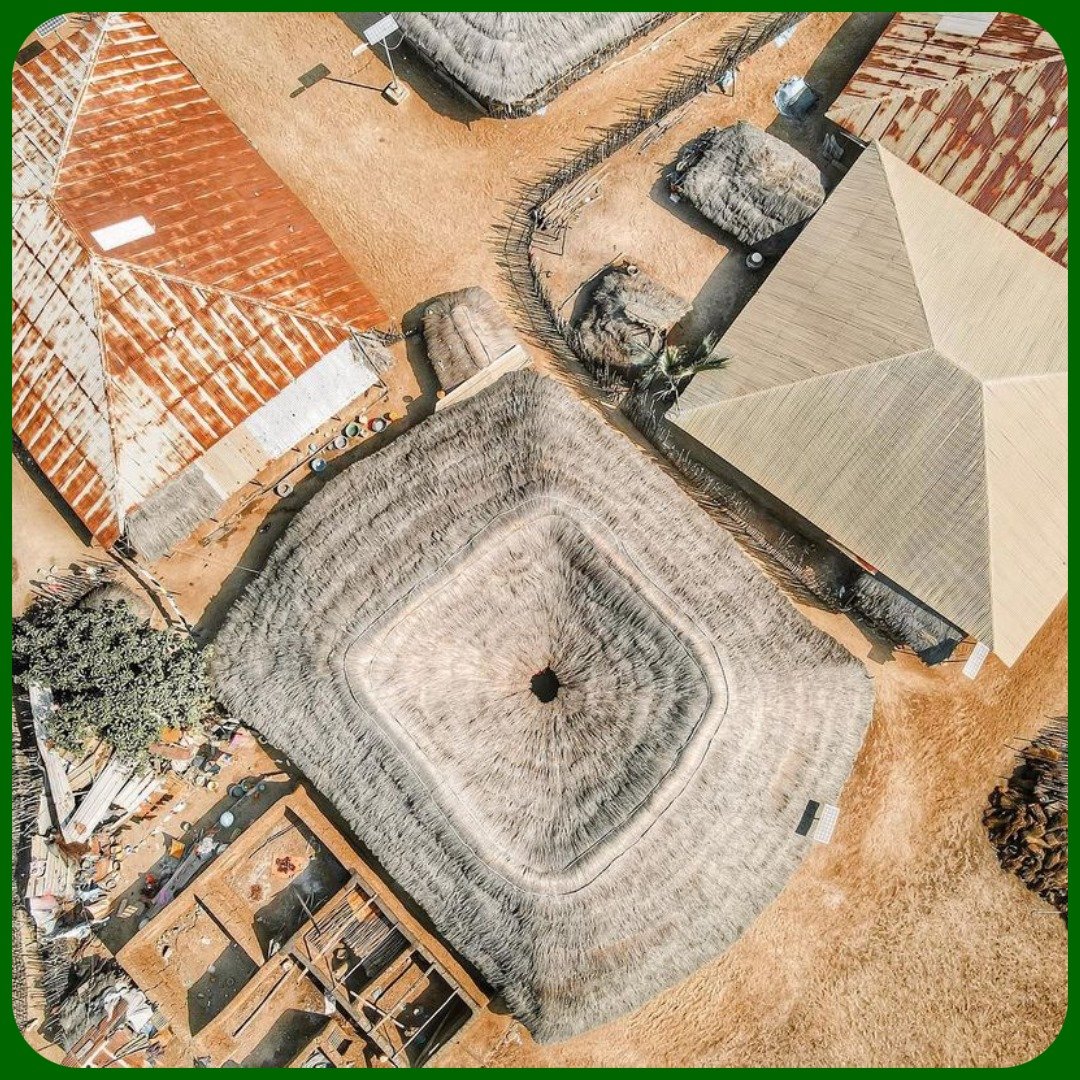
One item on the itinerary was a visit to Eloubaline, a small island-village that lies amid mangroves and bolongs (backwaters). Over 600 Diola inhabitants live in 42 traditional huts, including six impluvium houses – ingenious circular clay communal dwellings where rooms are organised around a courtyard that collects rainwater via a funnel-like thatched roof and domestic life is often shared between 60-70 family members. The Diola ethnic group are just one of many throughout Africa that identify as animist: a view in which the natural world is spiritually alive; where ancestors and spirits interact with humans and rituals, dances and ceremonies maintain harmony between the realms. Their social structure is relatively egalitarian with decision-making usually happening at the village level and where initiation (age and ritual) plays a big role in status. As we walked around the island, different fetishes (sacred spiritual objects) were pointed out to us, each with their own particular purpose and where offerings such as food, drinks or animal sacrifices are made.

cap skirring
Our original intention had been to leave Casamance after the tour and continue south into Guinea-Bissau. However, rather inconveniently, my computer decided to die. Why it couldn’t have done this in Europe or Bali where it would have been easy to find a replacement is difficult to answer and after considering where we were and where we were going to be going, the only possible place to find another was Dakar, a two-day drive in the opposite direction. What happened next probably best describes the Casamance people. Having booked into a hotel in Cap Skirring, we were connected with a couple of local guys who spent considerable time trying to fix a machine that very clearly had no intention of being resurrected. They then made numerous calls to Dakar and within 24 hours had located not just any computer, but the latest model of my original. Arrangements were then made for their cousin to collect the computer from the shop and persuade someone on a flight to Cap Skirring to take it on as hand luggage. It was consequently picked up at the airport and brought round to our hotel. When it came time to pay them, they asked for whatever we were happy to give – always a tricky one – but thankfully we parted on excellent terms. As frustrating as this part of Africa can be with its exhausting systems that create stagnation and unpredictability, there is no denying the resilience and ingenuity of the ordinary people that live here and it is all of this combined that shapes the region’s identity.
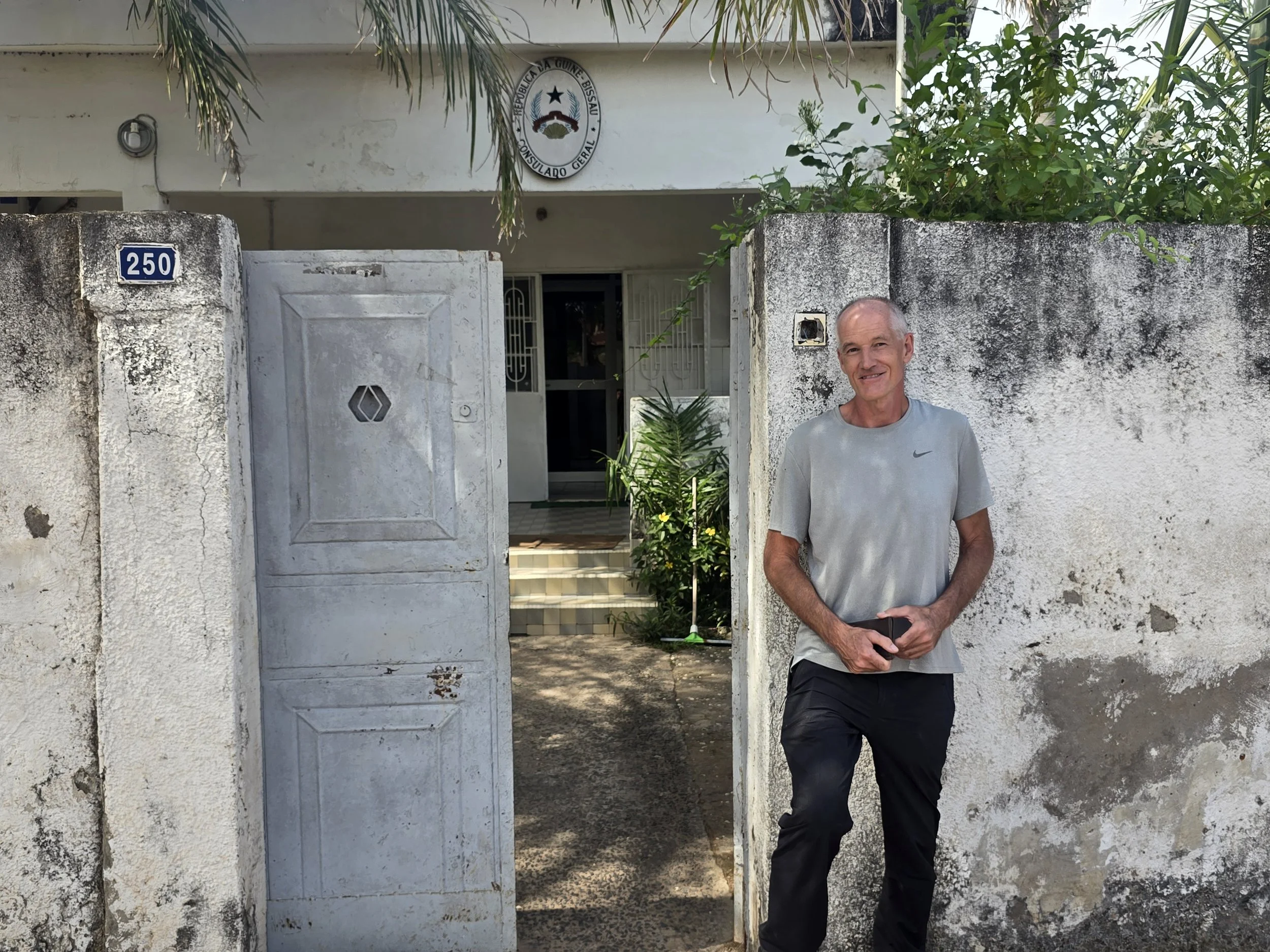
guinea-bissau embassy, ziguinchor
The city of Ziguinchor serves as the regional hub for Casamance and was where we found the Guinea-Bissau Embassy. It took no more than 20 minutes for a visa sticker to be affixed into our passports and we were ready to continue south.