Namibia & Botswana
/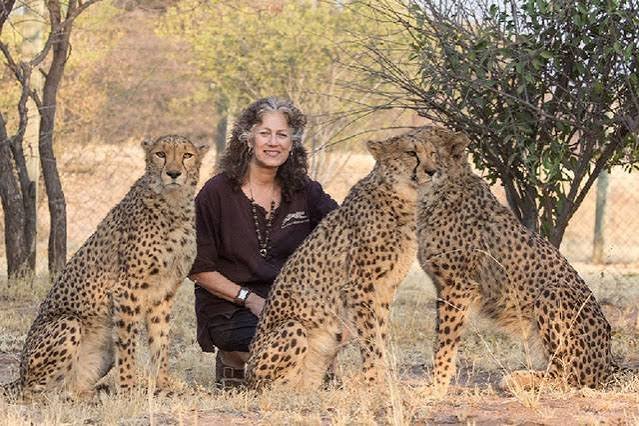
dr laurie marker
With Bob back from the garage sporting a new clutch and shocks, and our friends returned from Victoria Falls where they had sensibly put some distance between themselves and our mechanical woes, we all departed Windhoek and headed north along the beautifully smooth B1.
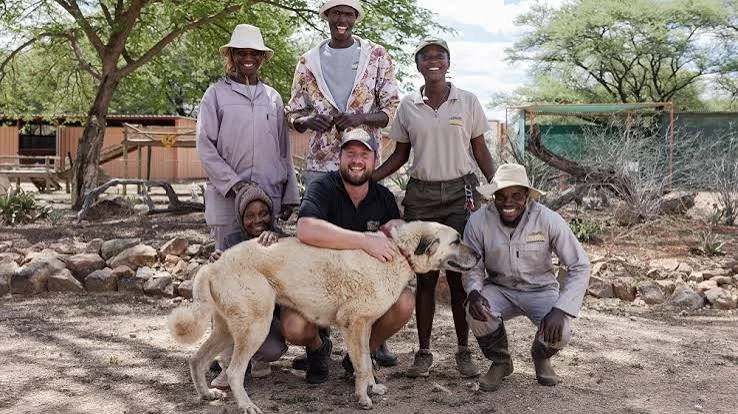
anatolian shepherd guarding dog
Speed-limit signs of 120 kph taunted us as we maintained a steady 90. Bob might have acquired new parts, but confidence is harder to replace, and his recent track record made blind faith seem unwise. Etosha, our destination, was an easy four to six hours away, but the Cheetah Conservation Fund (CCF), near Otjiwarongo, conveniently broke the journey with a detour of just 40 km. A morning spent with the world’s fastest land animal was an opportunity not to be missed, even if it meant delaying our arrival in Etosha.
Namibia has long been regarded as the world's principal stronghold for free-ranging cheetahs. The species is classified as vulnerable, with recent estimates suggesting that Namibia has around 1,200 out of a global population of 7,100 mature individuals. These are estimates rather than a headcount, but the broad message is clear: there are not many left, and the world has become an increasingly difficult place to be a cheetah.
The CCF was established in Namibia in 1990 by American zoologist Dr Laurie Marker, after she witnessed the conflict between cheetahs and livestock farmers. Most of Namibian cheetahs live outside national parks, on commercial farmland, where they are regarded as a threat to livestock and valuable game animals. From a farmer’s perspective, a predator eating the contents of your livelihood is unlikely to qualify as a conservation success story. The challenge is to persuade people that living alongside cheetahs can be more profitable than killing them.
Accommodation at the centre was fully booked, so we camped just outside Otjiwarongo, alongside a 24-man road-electrics crew and four ostriches. It was rather more company than we’d expected, but at least there was little danger of spending the night in the dark due to a short circuit.
An early start the following morning, ensured we were at the centre in time for the daily 8am cheetah run. It was heartening to see so many visitors and also humbling to witness the scale of Marker’s commitment to making a difference. Turning concern into decades of practical action to protect a species is no small undertaking, and the centre was a powerful reminder of what one person’s determination can achieve.
Around 30 cheetahs were resident at the centre. Many had arrived as orphaned cubs who, having missed out on their mother’s essential lessons in hunting and survival, would never to able to return to the wild. Others were there for medical treatment, with the prospect of release once they had recovered sufficiently to fend for themselves.
The infrastructure was impressive, reflecting an ambition considerably broader than simply providing a comfortable retirement home for troublesome cats. The research laboratory and veterinary clinic supported the science; spacious enclosures housed groups of four to six adult cheetahs; while the farm, livestock-guarding dog programme and various commercial ventures all contributed to the same goal. The objective was not to collect cheetahs indefinitely, but to tackle the problems that threatened them in the first place and give more of them a chance to remain wild.
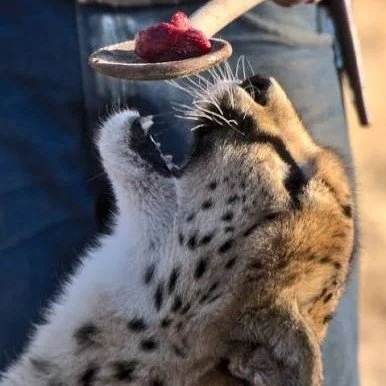
We were introduced to several long-term residents, their coats, patterned with black spots against a tawny background, were spectacular. Aside from the loud purring that many were producing, their behaviour was unexpectedly dog-like: they appeared relaxed around the handlers and sat with exemplary manners while breakfast meat was served on the back of a wooden spoon.
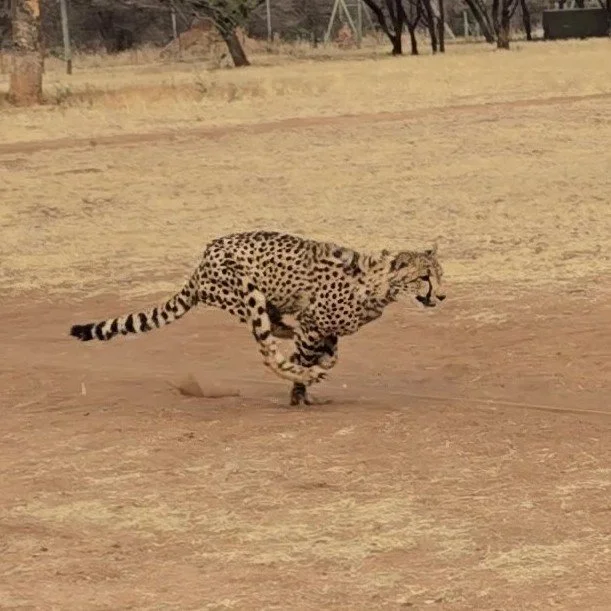
The morning exercise programme was equally ingenious. Long ropes ran just above the gound, with a rag attached to a pulley system that allowed it to be dragged across the large exercise area at speed. The cheetahs could choose whether or not to take chase, a choice in the same sense as offering a Labrador food is a choice. The acceleration was breath-taking. Their bodies stretched and contracted in long fluid strides facilitated by non-retractable claws gripping the ground like studs on running shoes. There was something deeply moving about watching them run: such explosive power, such effortless grace, and the simple joy of seeing them do what they were born to do.
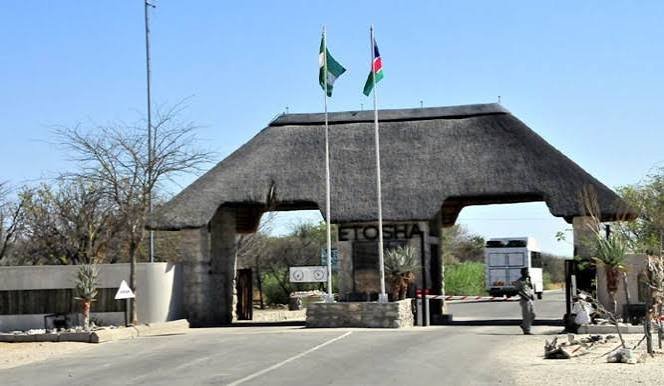
anderson gate, etosha
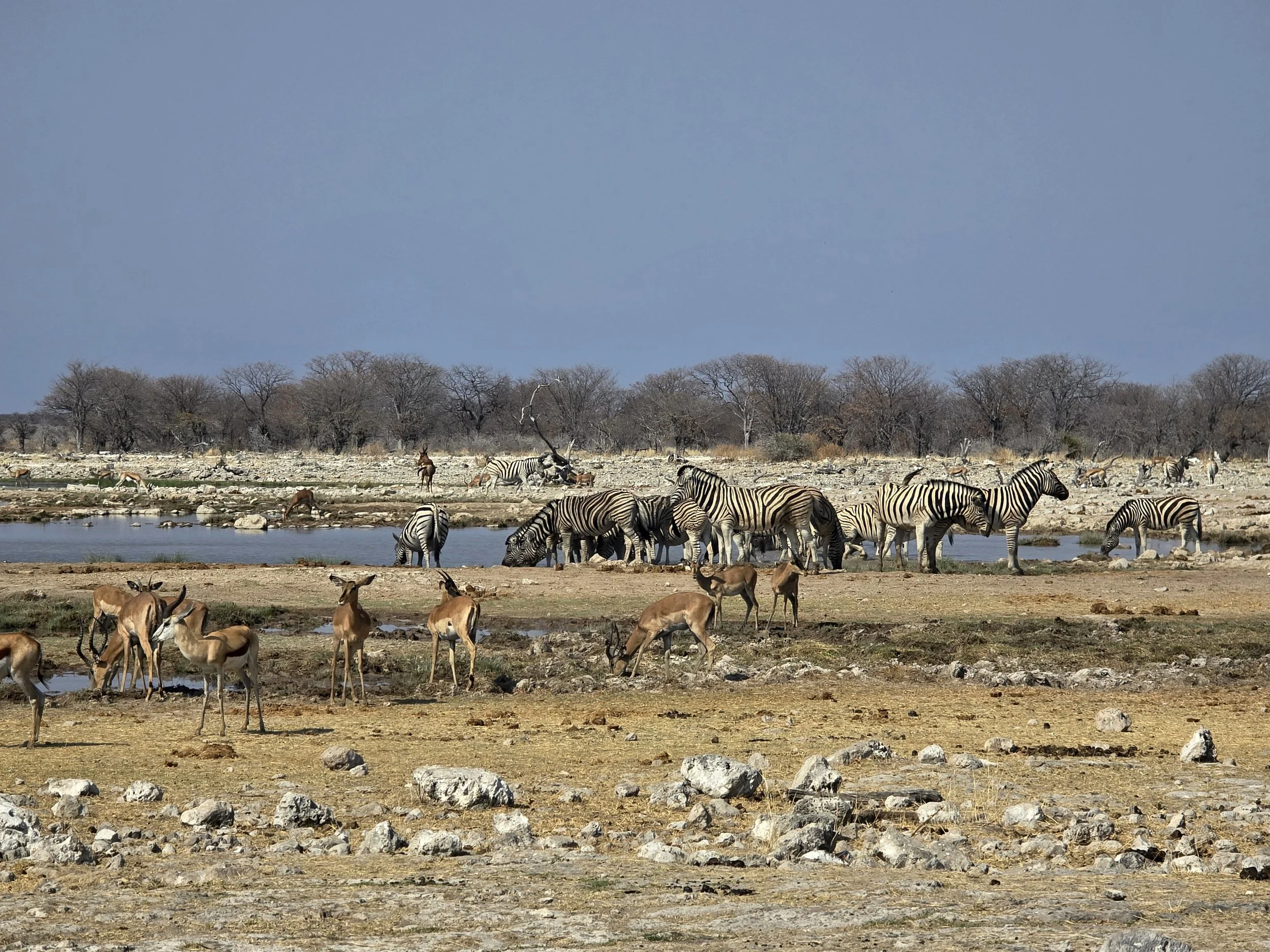
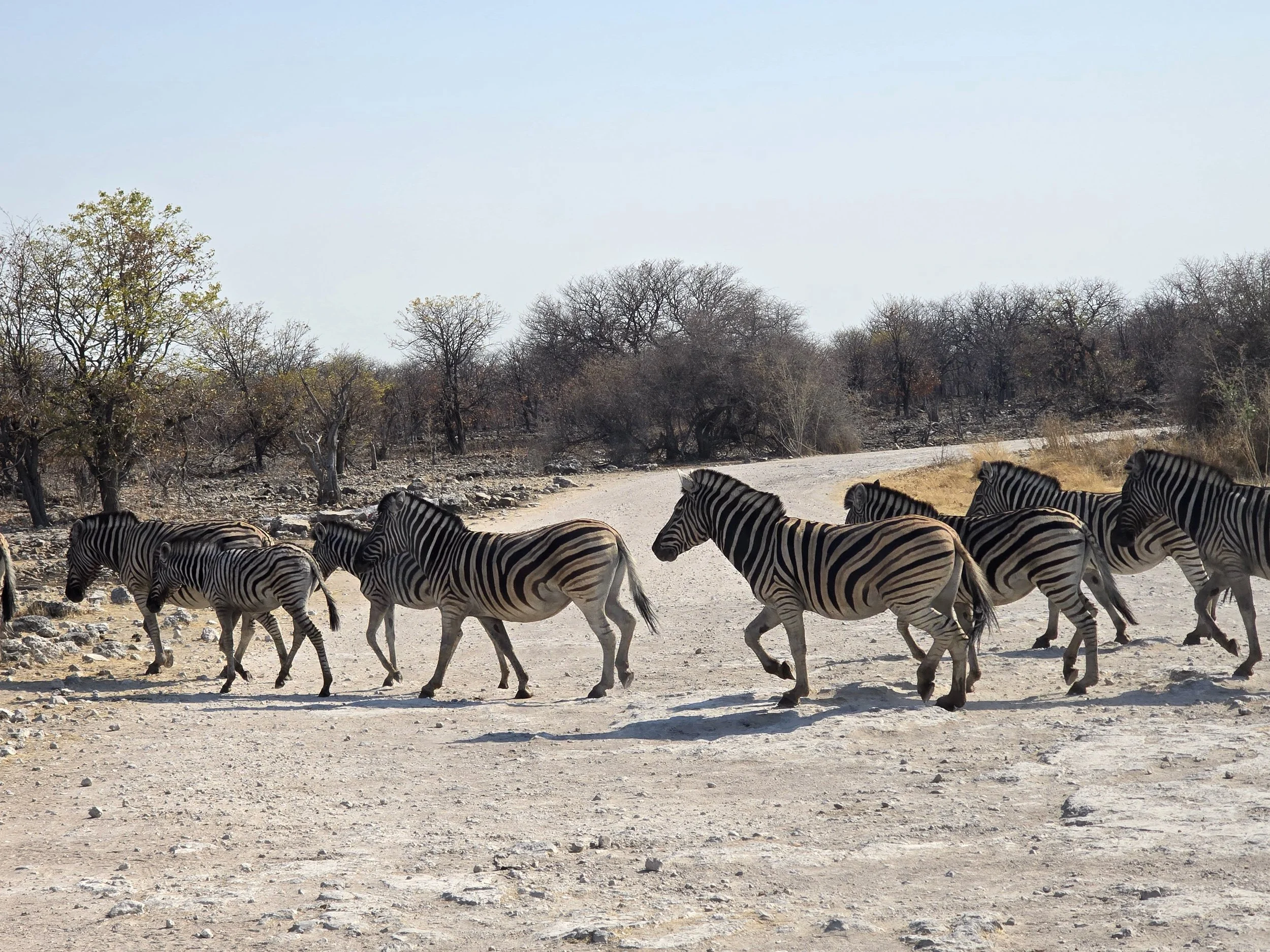
Etosha National Park is Namibia's flagship wildlife destination, dominated by an enormous, ancient salt pan and an unusually open, arid environment. The counter-intuitive advantage of all this dryness is that it makes wildlife easier to find. Particularly towards the end of the dry season, animals congregate around natural springs, boreholes and artificial waterholes, turning the business of spotting wildlife into something less akin to searching for a needle in a haystack.
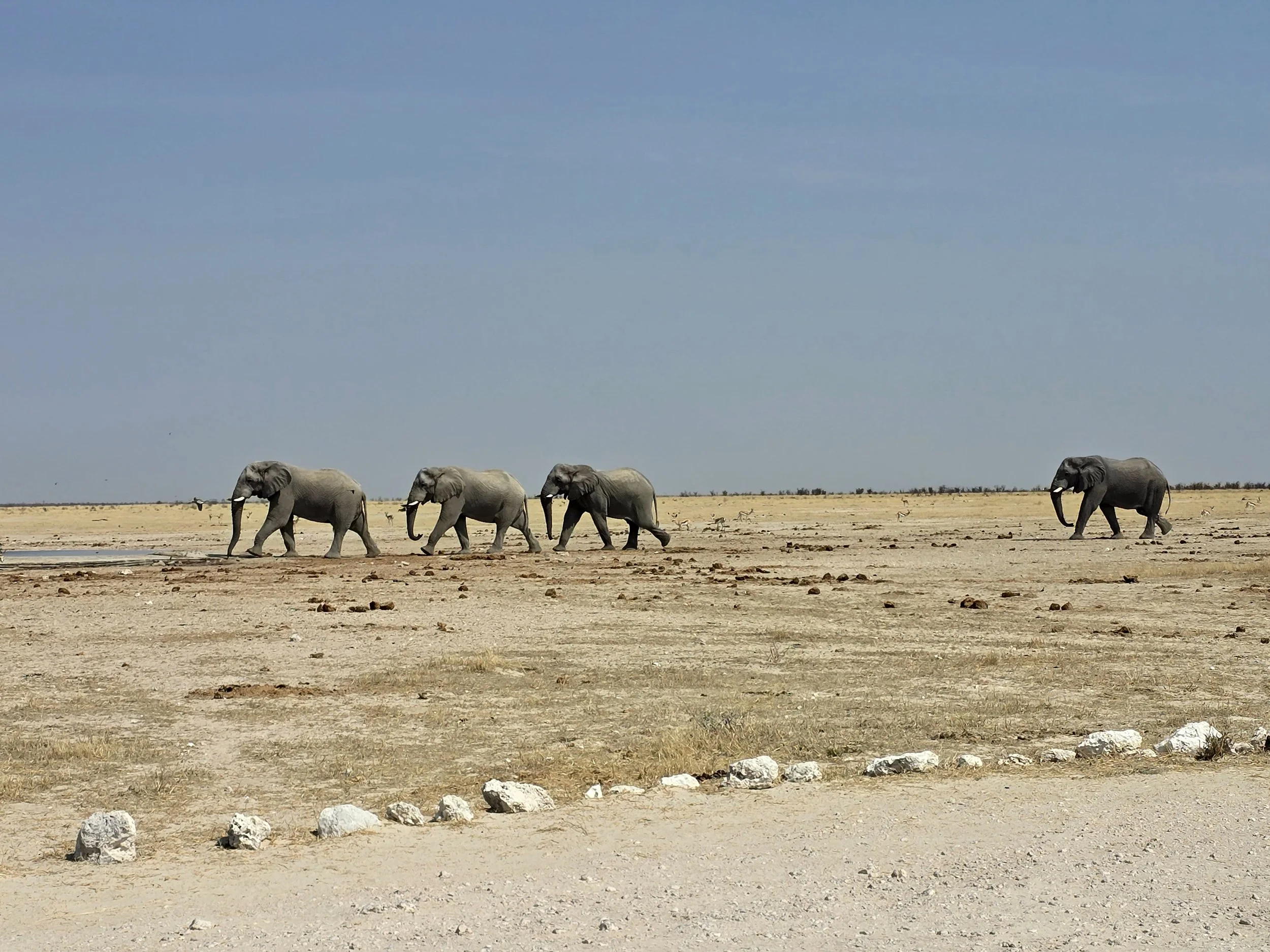
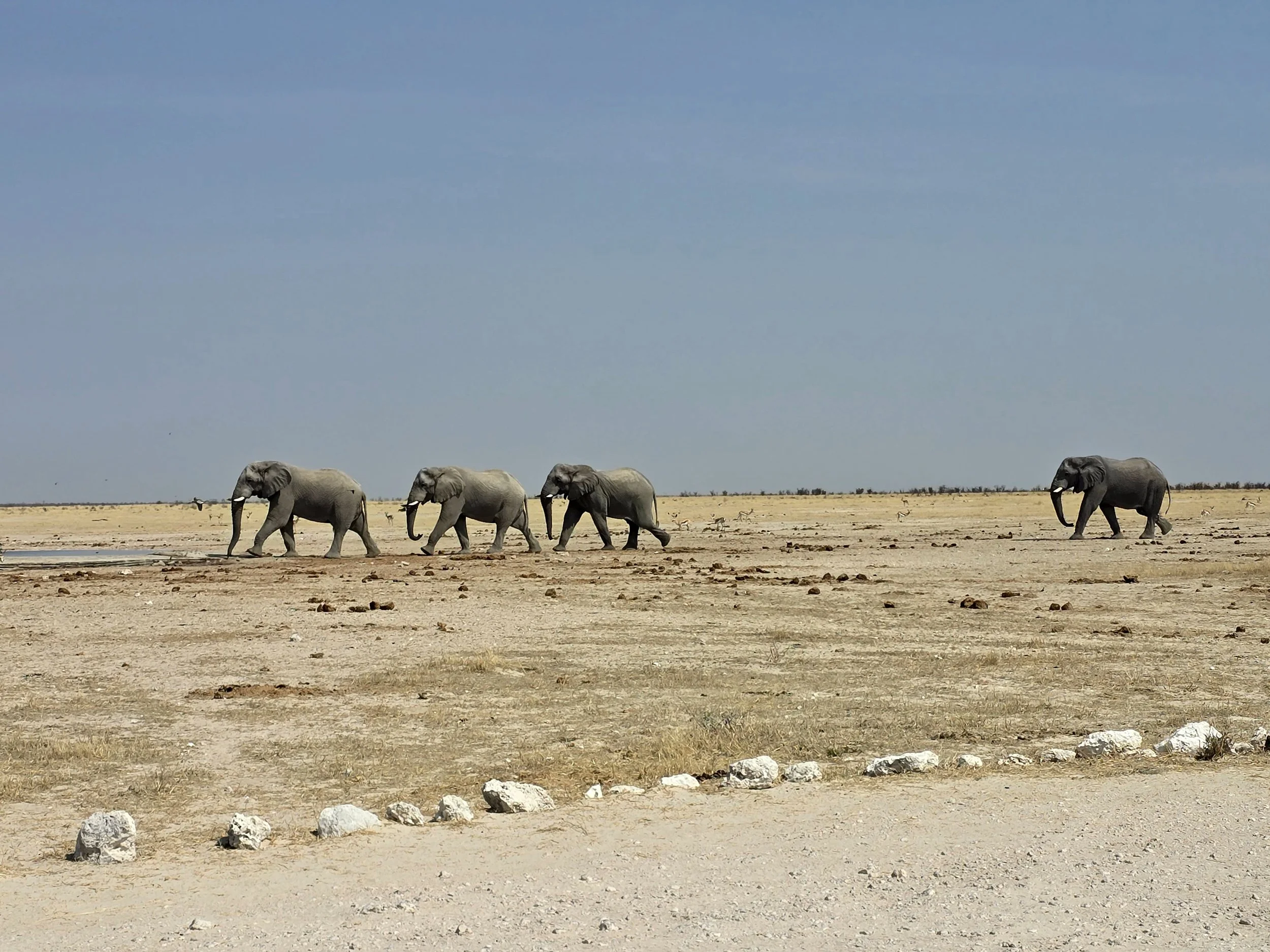
Rather than spending hours driving through dense vegetation in the hope that something might briefly reveal itself, you follow dusty dirt roads across the flat landscape, stopping at waterholes and scanning the surrounding bush. With little vegetation to obstruct the view, you can settle down and let the wildlife some to you. And sometimes it arrives in spectacular fashion. At one waterhole, we pulled up at exactly the same time as four young bull elephants. We sat with mouths unattractively agape as these majestic creatures strode purposefully towards the water. The antelope and zebra already gathered there promptly retreated, making it abundantly clear who had priority at the bar.
Etosha covers almost 23,000 square kilometres, roughly the size of Wales, with about a fifth of its area occupied by the pan itself. Yet visitors see only a fraction of this vast wilderness. Around 800 km of tourist roads wind through the park, linking waterholes, camps and game-viewing areas, while much of the remainder is closed to the public.
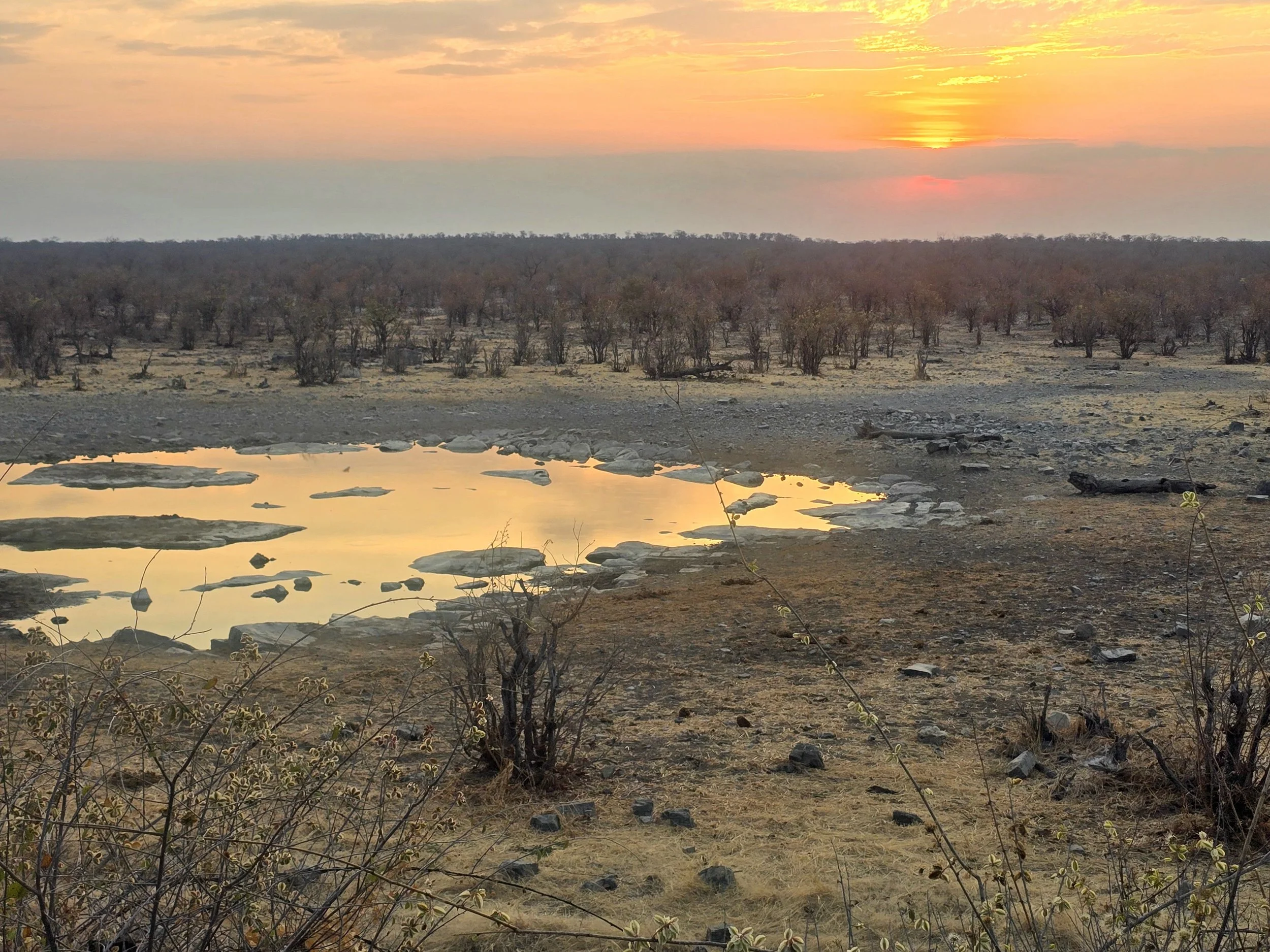
Access to the park is regulated by four entrance gates which open and close in line with sunrise and sunset. The only way to remain within the park overnight is to book into one of the government run camps which offer lodge rooms as well as camping pitches. The main route linking the camps of Okaukuejo, Halali, Namutoni and King Nehale would normally cover around 215 km, although ongoing roadworks and diversions are adding to this. One of the main attractions of staying overnight in Etosha are the camps’ floodlit waterholes. Elevated seating just metres from the water allows you to settle in after dark and watch the wildlife come to drink. Moringa waterhole at Halali proved an excellent spot for black rhinos. Rather ponderous creatures, they offered little in the way of entertainment, but seeing nine black rhinos together, including two youngsters, was a rare privilege all the same.
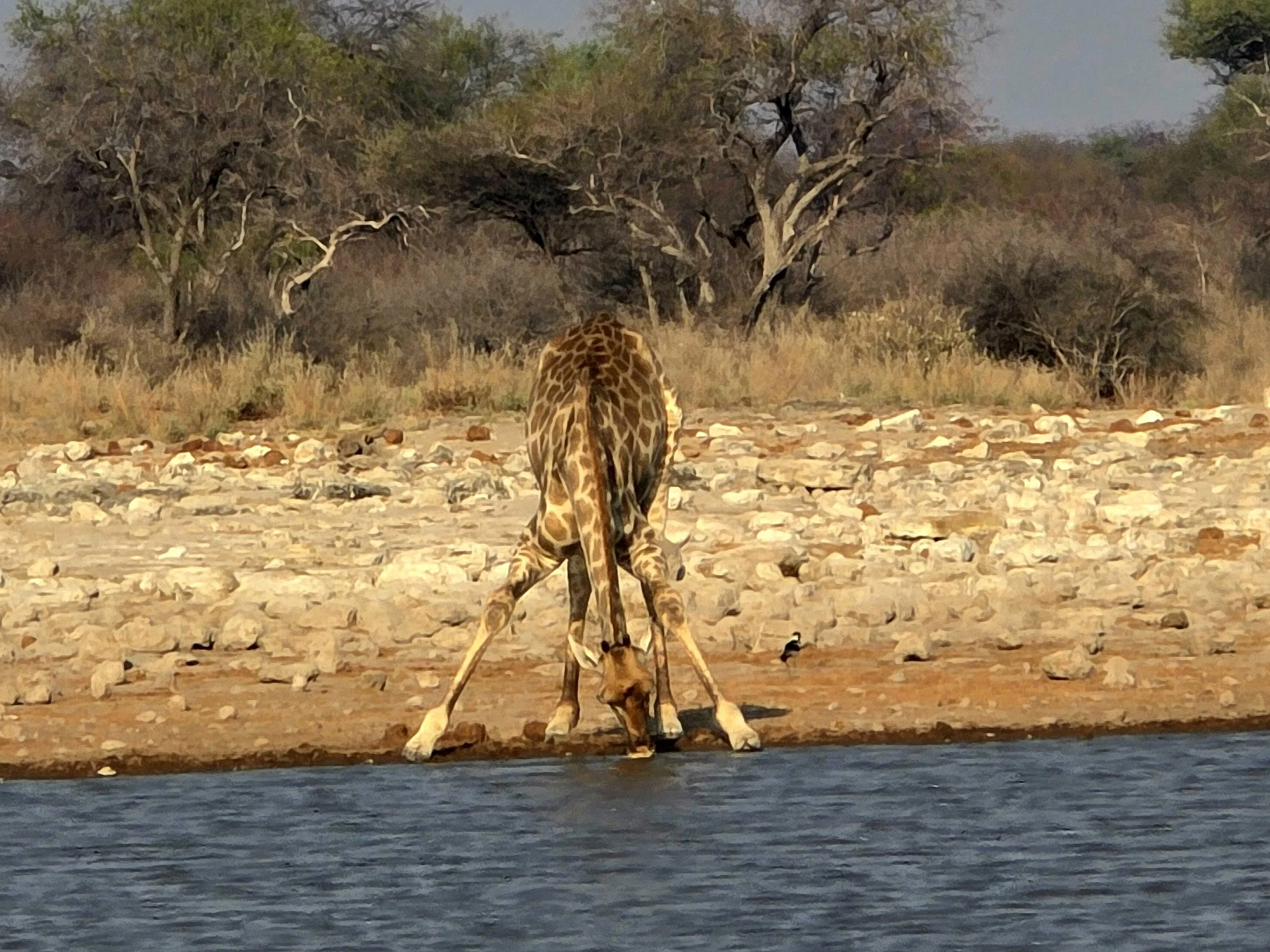

A previous visit, some twenty-odd year ago, was a rather more spontaneous affair. We simply turned up in a rented VW Polo, paid the entrance fee and were handed a pair of binoculars to return when we left through a different gate. It was a remarkably generous gesture, particularly at the owner of said item was absent. Whether this was official park policy or an impressive exercise in informal resource management, we never discovered. We also pitched our tiny tent at each of the three principal campsites before departing a few days later.
Those days of turning up and hoping for the best appear to be long gone. Accommodation and campsites now need to be booked several months in advance, with reservations handled by email or phone, an online booking system being conspicuous by its absence. We were fortunate to be able to make repeated visits to the NWR Office in Windhoek, where the staff made every effort to accommodate us, if only, I suspected, in the hope that we would eventually disappear.
It is a frustrating system, but I would defy anyone to visit Namibia and leave Etosha off the itinerary. Even on a day visit, the sheer numbers of wildlife moving across the open landscapes from one water source to the next makes it well worth the effort. Just book ahead. The elephants may be spontaneous, but the campsites are not.
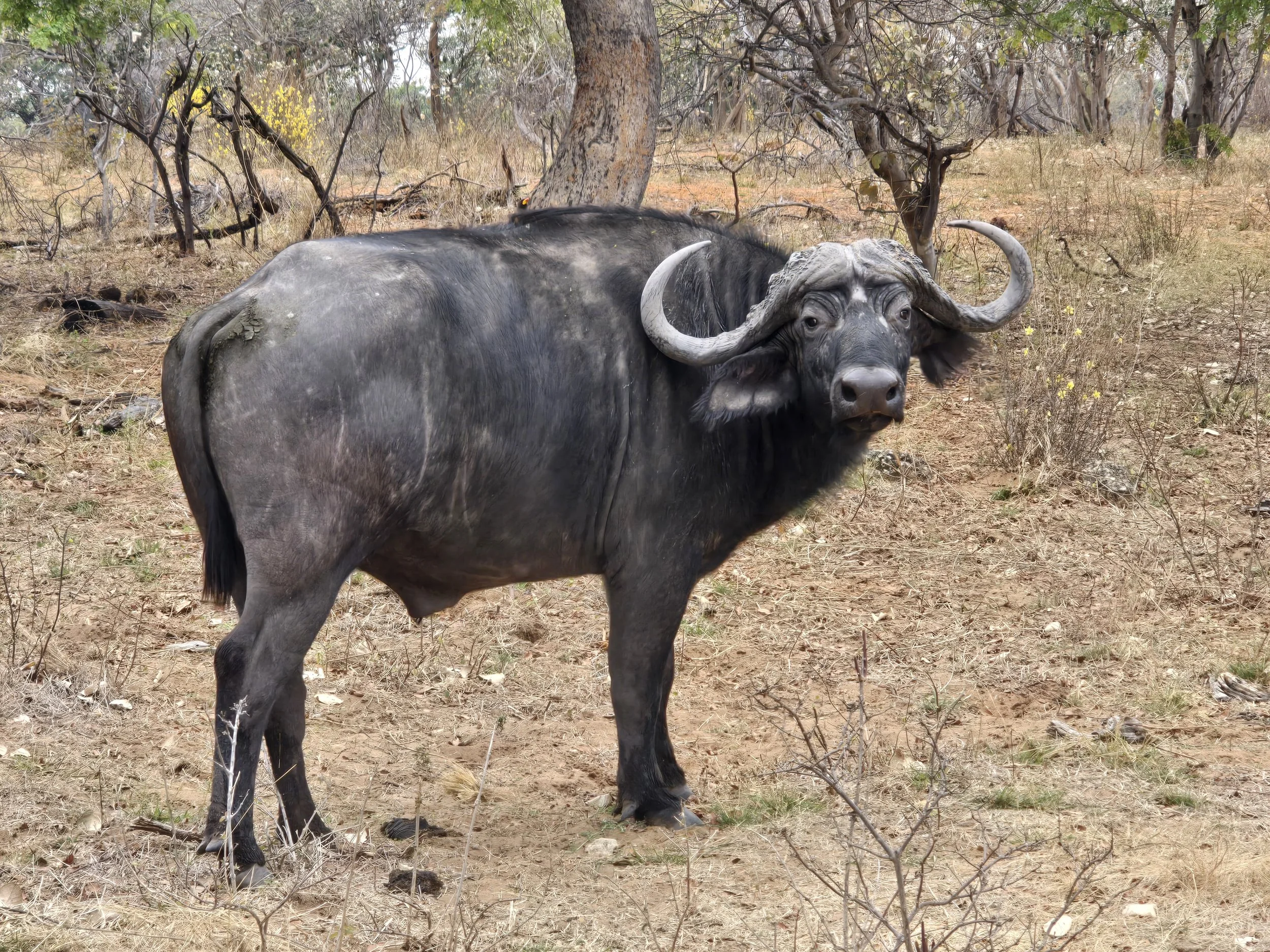
buffalo - one of africa’s big five
Etosha contains four of Namibia's Big Five: lion, leopard, elephant and rhino. To complete the set with buffalo, one must head east into the Zembezi Region, formerly known as the Caprivi Strip. This long narrow finger of north-eastern Namibia wedges itself between Angola and Botswana before reaching towards Zambia and Zimbabwe. It was named after German Chancellor Leo von Caprivi, who negotiated an agreement with Britain in 1890 that gave Germany control of the territory and, in theory, access to the Zambezi River and a route into the African interior. Germany duly acquired its route to the river, only to discover that Victoria Falls had rather inconveniently put a waterfall across it.
The region is roughly 450 km long, although its width varies considerably. Exceptionally flat, much of it lies at around 900-1,100 metres above sea level. Its defining feature is water, with several river systems, particularly the Okavango River flowing from Angola before spreading into the vast Okavango Delta in neighbouring Botswana.

nyime safari camp
Bwabwata National Park occupies much of the central portion of the strip, with the B8 Trans-Zambezi Highway running straight through it. In sharp contrast to Namibia’s more familiar landscape of sand, rocks and an optimistic search for water, this network of rivers and floodplains supports a rich variety of wildlife, particularly elephants, buffalo, hippo and crocodiles. Tourism here operates on a smaller, more dispersed scale than in Namibia’s better-known parks. Private safari lodges, small campsites and community-based conservancies were scattered alongside tributaries within the floodplains resulting in an experience that felt more exposed to the realities of living alongside wildlife.
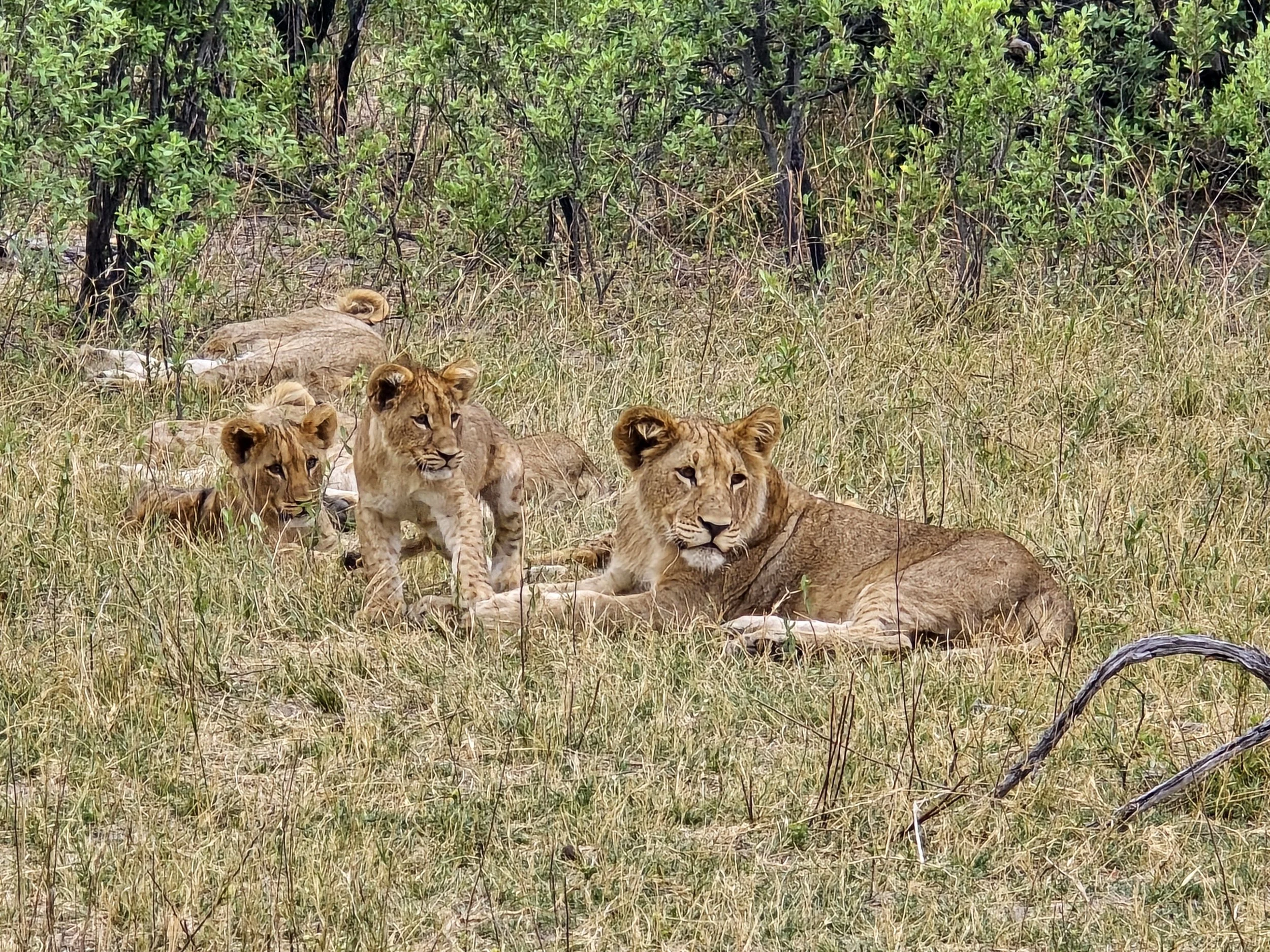
babwata lion cubs
Our small, privately owned, campsite had just ten camping pitches, each served by a private ablution block. Set on slightly higher ground above the floodplain, it offered a fine view of the local population: plump hippos, elephants and a healthy assortment of antelope. There was, however, a detail about the location that might have influenced our choice of pitch had we known about it sooner. The numerous lion prints less than a hundred metres from our unfenced campsite were pointed out only the following morning. By then, we had already slept there, blissfully unaware. A sighting of lion cubs and a well-camouflaged leopard added to the wildlife tally, making this one of the most memorable stops in Namibia.
Just before the Caprivi strip came to an end, we turned right and crossed into landlocked Botswana, one of Africa’s more remarkable success stores. Established as a British protectorate in 1885, Bechuanaland, as it was then known, was largely neglected by the colonial administration, regarded as strategically useful rather than economically valuable. Independence came in 1966, and the following year diamonds were discovered at Orapa. An expensive oversight by the colonial administration.
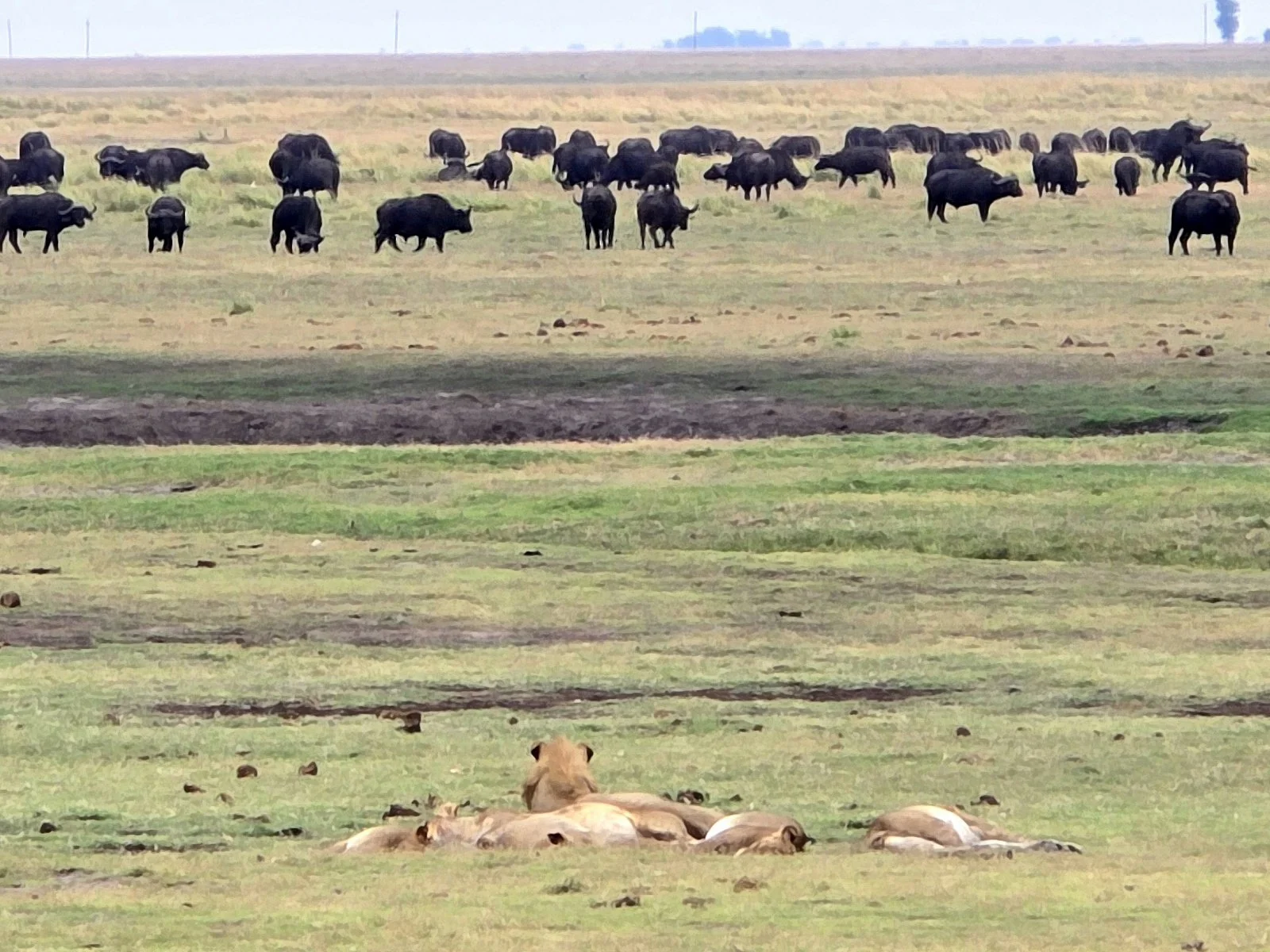
With little infrastructure, a tiny economy and a heavy dependence on cattle, Botswana suddenly found itself sitting on a potentially enormous source of wealth. Unlike many resource-rich countries, it largely avoided the familiar pitfalls of corruption, political instability and squandered revenues. Instead, successive governments used diamond income to invest in infrastructure, education and public services, building one of Africa’s more successful economies rather than, say, a presidential palace with its own postcode.
Roughly the size of France, but home to only around 2.7 million people, Botswana has built a second important source of income around its extraordinary wildlife. Tourism is now a major industry, with conservation areas and private safari operators helping to turn the country’s natural assets into an economic resource.
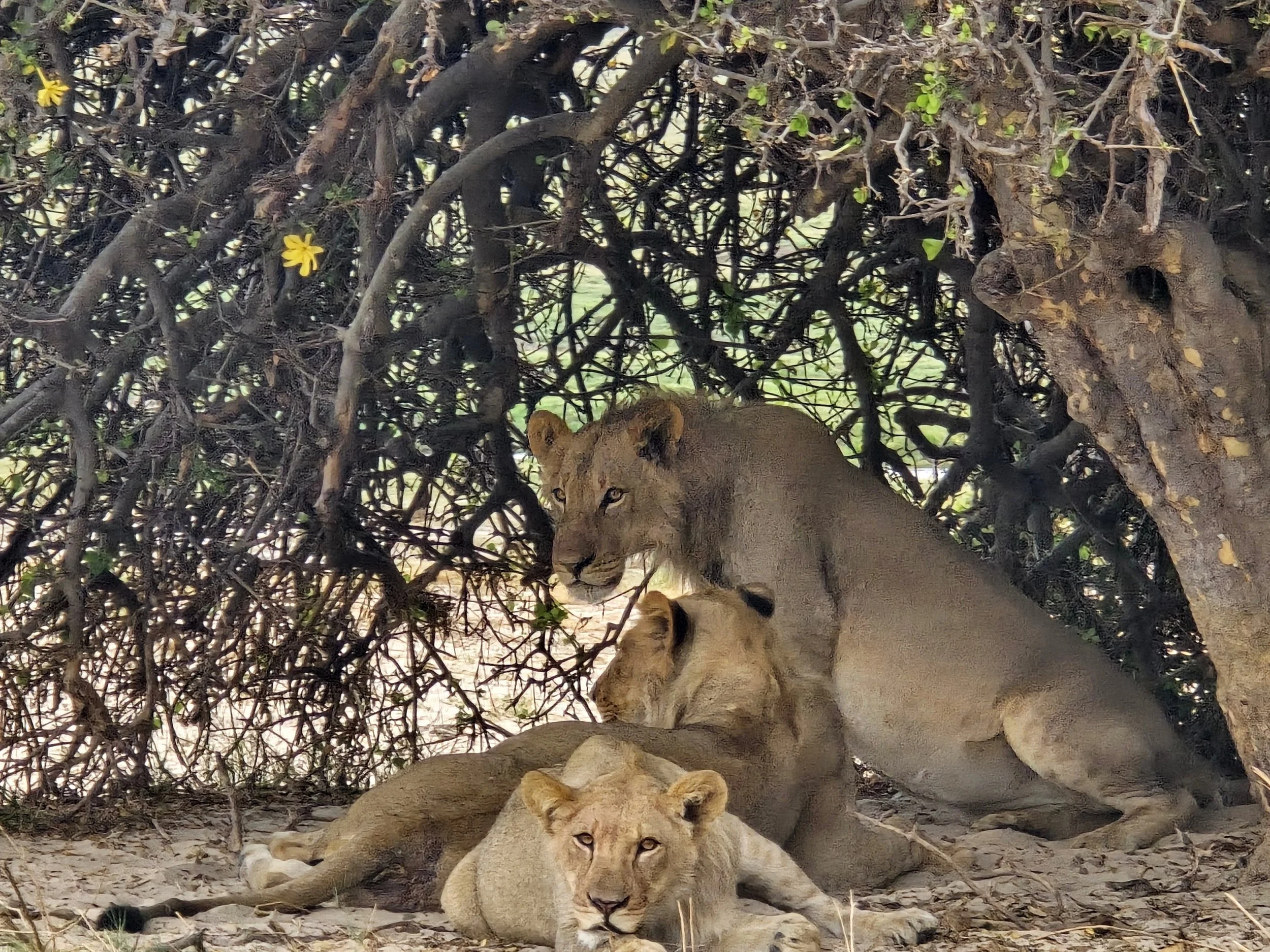
well-fed lions at chobe
In northern Botswana, the secret to the extraordinary concentrations of wildlife is water. The wetlands and permanent rivers of the Okavango, Chobe and Linyanti systems attract huge numbers of animals, particularly as the dry season progresses and water becomes increasingly scarce elsewhere. Among the most accessible and popular destinations is the Chobe Riverfront, which serves as something of a wildlife shop window, showcasing enormous herds of elephants and buffalo alongside a formidable cast of predators. An early-morning safari was a non-stop parade of animals including a large pride of lions whose distended bellies suggested they had enjoyed a substantial buffalo breakfast. Too full to do much beyond laze beneath the trees, they allowed us to get within a few metres keeping a casual but distinctly watchful eye on proceedings. We took our coffee break and stretched our legs at what felt like an uncomfortably close distance, trusting our guide’s judgement that a pride suffering from feast-induced lethargy posed little immediate threat. One of the few occasions where being less appealing than a buffalo was definitely an advantage.
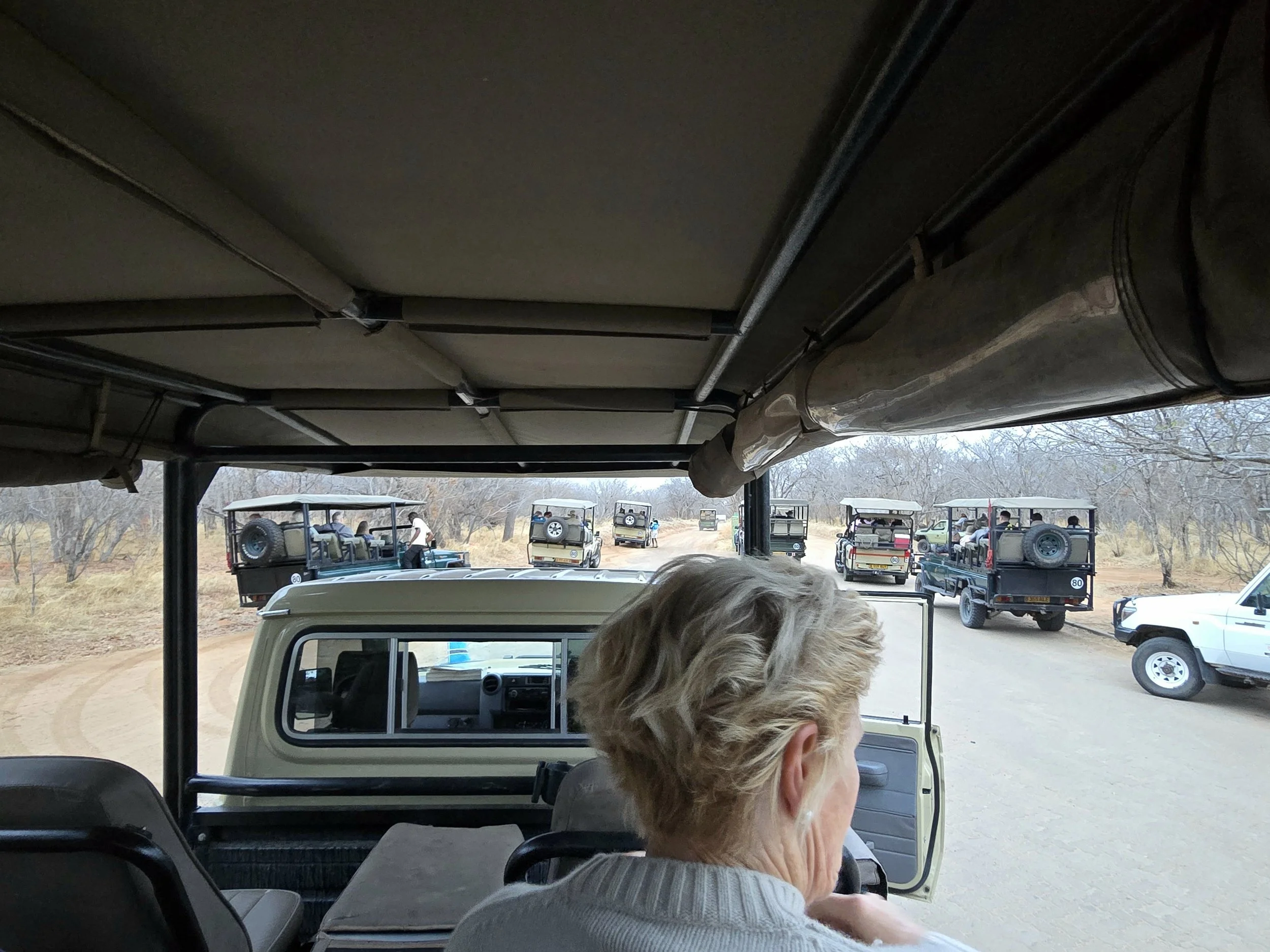
kasane - safari town
Just 80 km short of the Zimbabwean border, we arrived in the busy little town of Kasane. Less a destination in its own right than a gateway to several of southern Africa’s greatest attractions, Kasane sits at the crossroads of four countries and within easy reach of Victoria Falls. Once a small, remote settlement, it has become a bustling transport and tourism hub. An eclectic mix of international safari visitors, self-drive overlanders, guides, lodge staff and long-distance lorry drivers gave the town a lively, slightly frenetic atmosphere. This was amplified by the fact that Botswana was celebrating 60 years of independence and the locals were clearly in the mood to party.
With our Australian friends’ flights home from Windhoek looming, time was no longer on our side. We needed to get to Maun from where they could start the long haul back west, with little room left for delays.
We could take the classic overland safari route through Chobe, Savuti, Khwai and Moremi: roughly 700km of sandy, often deeply rutted 4x4 tracks through some of Botswana’s finest and most remote wildlife country. It was an appealing prospect, but several practical difficulties soon came into focus. This wasn’t a route where we could simply drive until we fancied camping and pitch the tent wherever we happened to be. With large predators roaming freely, overnight stops had to be at designated campsites, all of which were fully booked. A few private lodges are scattered throughout the parks, but with prices fixed at eye-watering levels, there was little incentive to investigate further.
So, 600km of tar road via Nata it was.
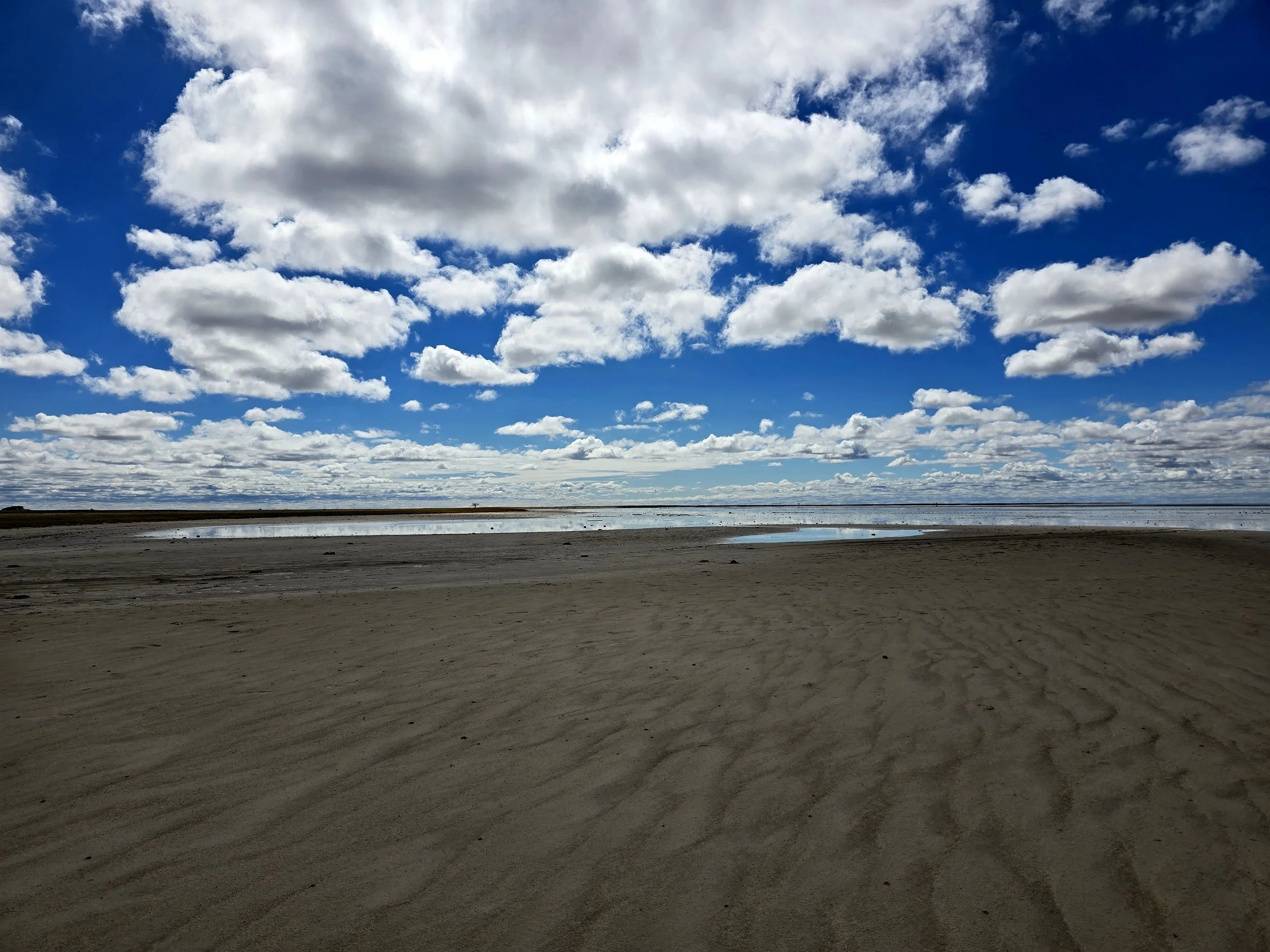
makgadikgadi salt pans
Driving in Botswana is rarely dull, whether inside or outside the national parks, Zebras, elephants, flamingo and the occasional giraffe regularly appear beside the road. A novelty to all parties no doubt.
Our route took us past the Makgadikgadi salt pans, an immense network of ancient lake beds covering around 12,000 km², roughly the size of Portugal. They are the remnants of a vast prehistoric lake, and in dry conditions their endless white expanses make for excellent quad biking. Unfortunately, recent heavy rain had transformed the pans into a series of shallow lakes and with the quads out of action we spent time with a mob of Meerkats instead.
These small, burrowing mammals belong to the mongoose family and are native to southern Africa, including Botswana, Namibia, South Africa and parts of Angola. Several groups around the pans have become habituated to people, a process that typically takes six to nine months. The result is a surprisingly engaging opportunity to crouch among them while they go about their business, totally unconcerned by any human invasion.
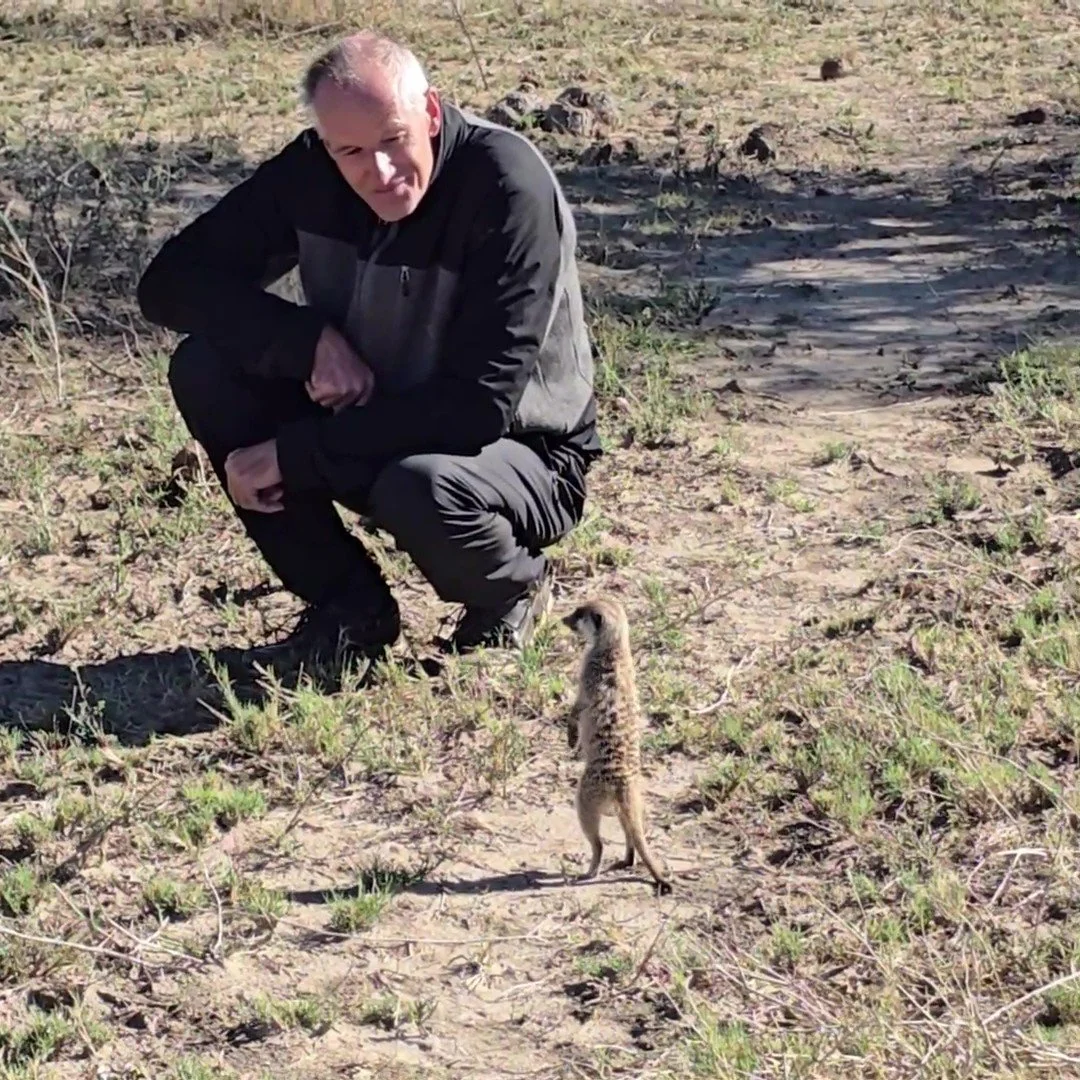
meerkat time
Their highly organized social system was fascinating to watch. Sentinels stood guard, adult mentors showed the youngsters how to tackle scorpions safely, foragers went about their business, and the babysitters were back at base looking after the pups. Everyone had a job, and nobody appeared to be waiting for a performance review.
Foraging was where they really excelled. Even to the untrained eye, their skill was impressive. Their keen sense of smell detected prey buried up to 50cm underground, which they unearthed at astonishing speed. Insects, spiders and small reptiles were all fair game. Finding lunch had never looked so easy.
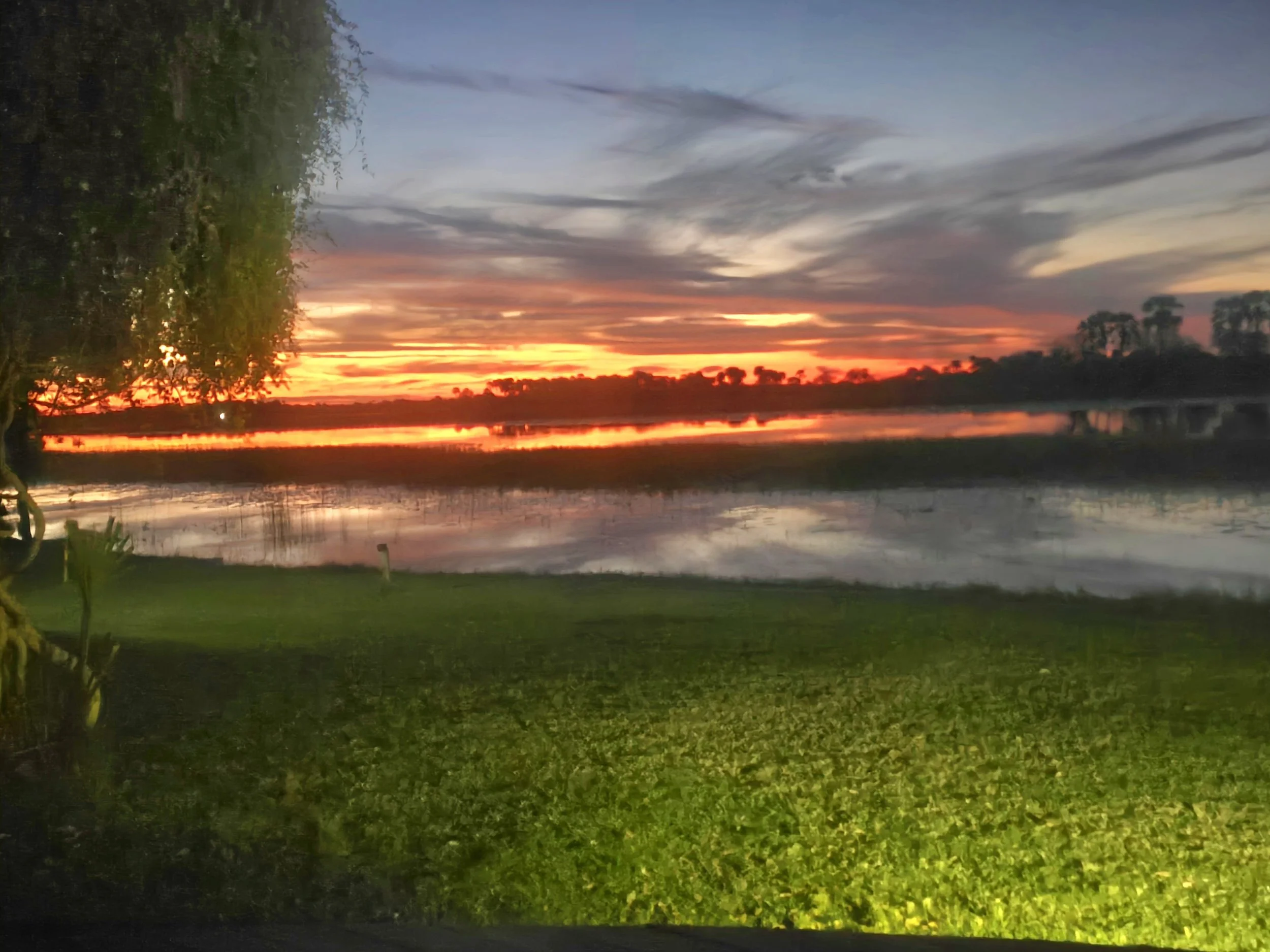
maun river sunset
Maun is Botswana’s main tourism hub, a relaxed town full of self-drive travellers stocking up on provisions, renting 4x4 vehicles and organizing guides before heading into the various Game Reserves and wildlife parks. Before our friends departed for Windhoek, we spent a last night together beside the Maun River watching a sunset that could only be African. The following morning it was time to go our separate ways. Feeling a little forlorn, we waved them off as they set out on the easy 800km drive to Windhoek and their flights home, while we remained behind to contemplate our next move. There was just one fly in the ointment: the border crossing, where a recent outbreak of mad cow disease had prompted meat confiscations. Their planned steak braai that evening was, quite literally, in the hands of border officials. It seemed a particularly unkind way to end an African adventure